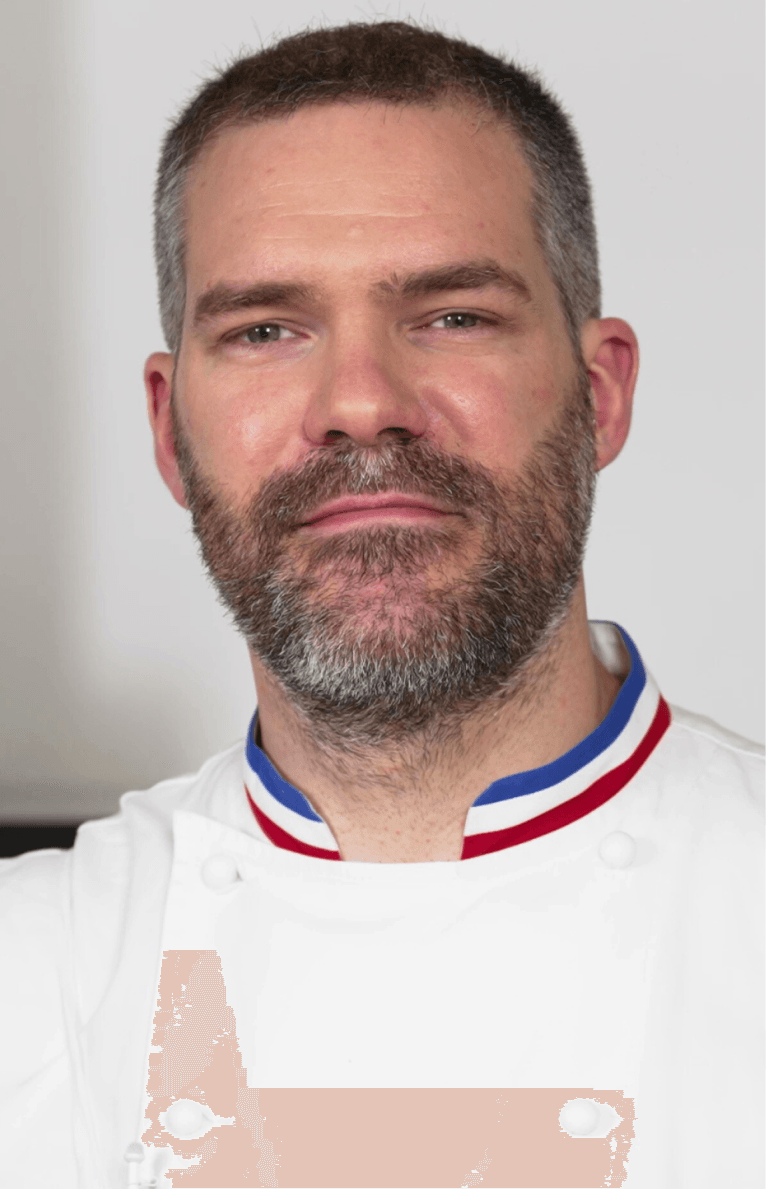
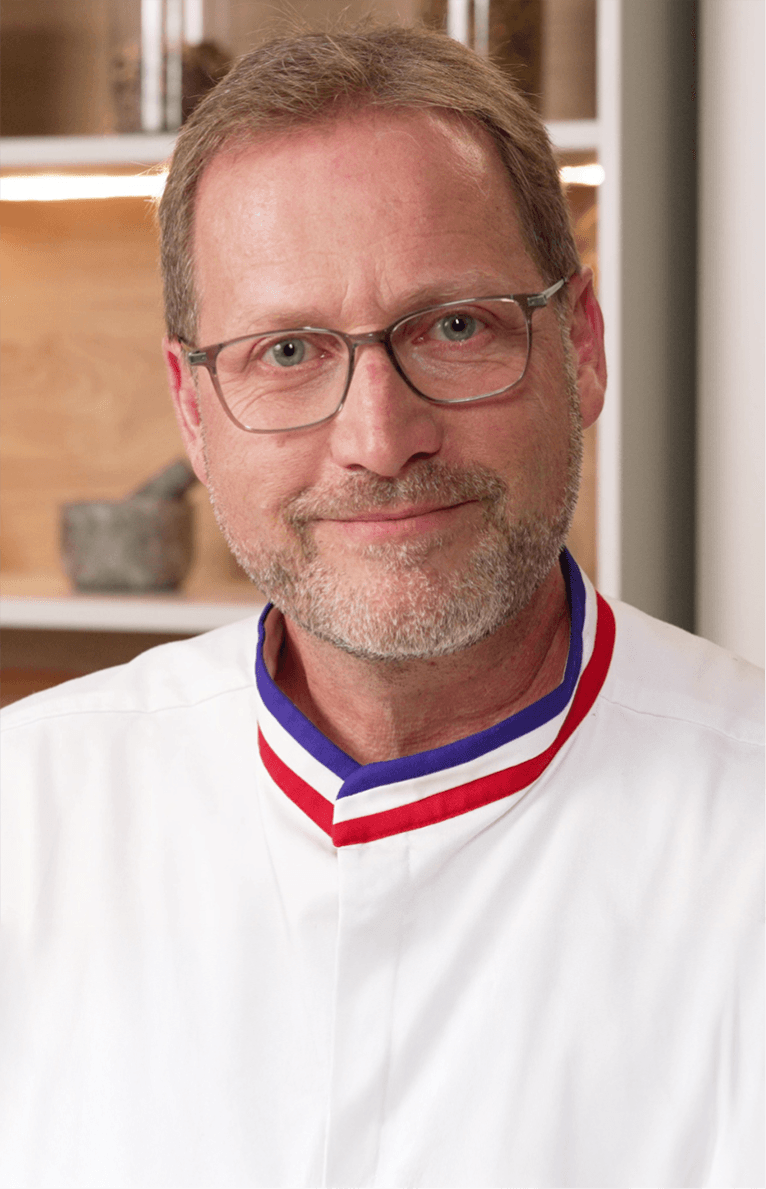
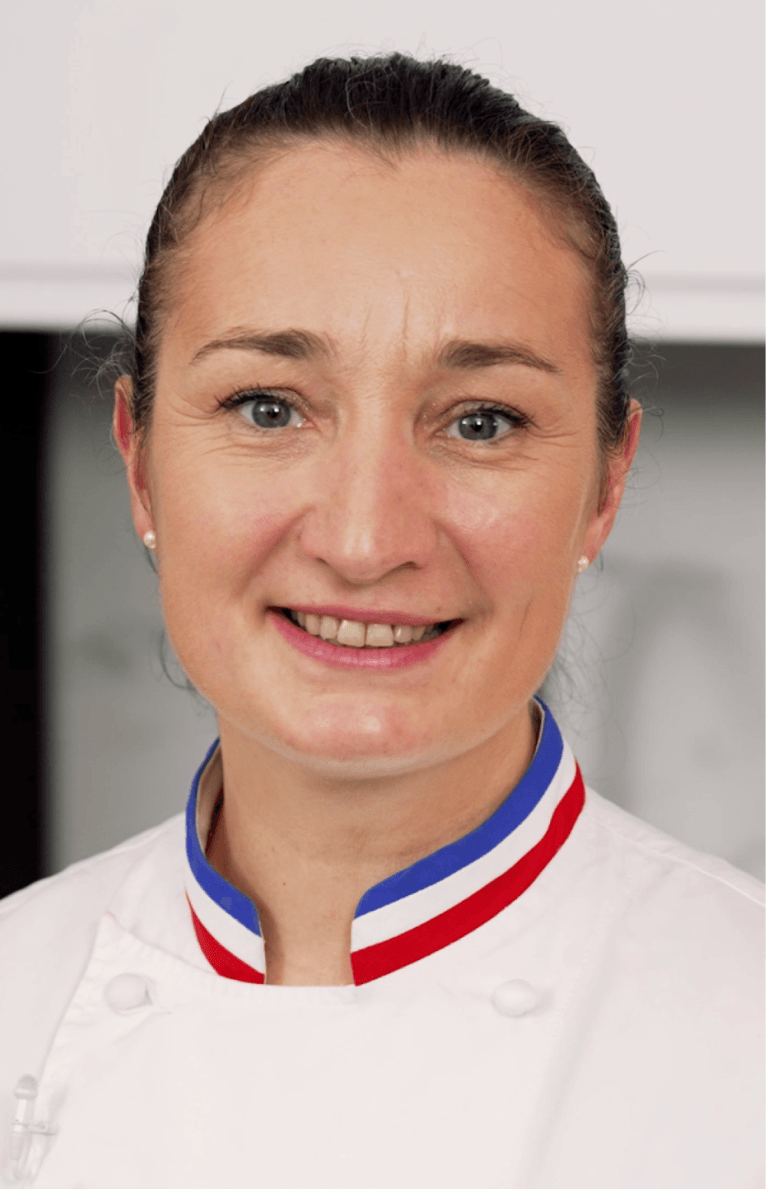
What is a Meilleur Ouvrier de France?
A MOF is a professional who has passed a state examination. The title dates back to 1924, was officially recognised as a state title in 1935, and is now awarded under the authority of the ministry responsible for national education. The examination is organised by COET-MOF.
Three points explain what the title represents.
An examination, not an appointment. Candidates must be at least 23 years old by the registration deadline, pass a qualifying round, then complete a final lasting several days, assessed work by work and product by product. The regulations do not require a prior qualification: mastery of the craft is assessed, rather than an academic background.
Distinct professional disciplines, rather than one category. The title is awarded in a specific discipline: pastry and confectionery, bakery, chocolate and confectionery, ice creams and sorbets, and many others. A MOF in pastry and confectionery and a MOF in chocolate and confectionery do not sit the same examination or hold the same title. That is why each Chef on this page is presented with their own distinction.
A distinction from World Champion. A MOF title assesses mastery across an entire craft, through multiple products over an extended period. A world championship assesses a team’s performance against the clock. The two complement each other, rather than replacing each other: some Chefs on the platform hold both titles, reflecting two different aspects of their careers.
The examination process, sessions, tests and registration requirements are covered in our dedicated article: understanding the MOF examination.
VoilaChef’s MOFs, by discipline
Fifteen title holders across four main professional families. Each Chef’s profile gives their published title, without guessing the year or examination session.
Pastry and confectionery
The pastry and confectionery discipline covers entremets, tarts, laminated pastry, petits fours and artistic pieces. Two Chefs on the platform hold this distinction.
- Angelo Musa — Meilleur Ouvrier de France in Pastry and World Pastry Champion. As the executive pastry chef of a Parisian palace hotel, he approaches French classics with a level of finish that leaves no room for approximation.
- Patrice Ibarboure — Meilleur Ouvrier de France in Pastry and Chef at Les Frères Ibarboure in Bidart. Restaurant pastry designed to be plated and served that same evening.
Bakery
Bakery is the most widely represented discipline on the platform, with five MOF bakers covering everything from sourdough to viennoiserie.
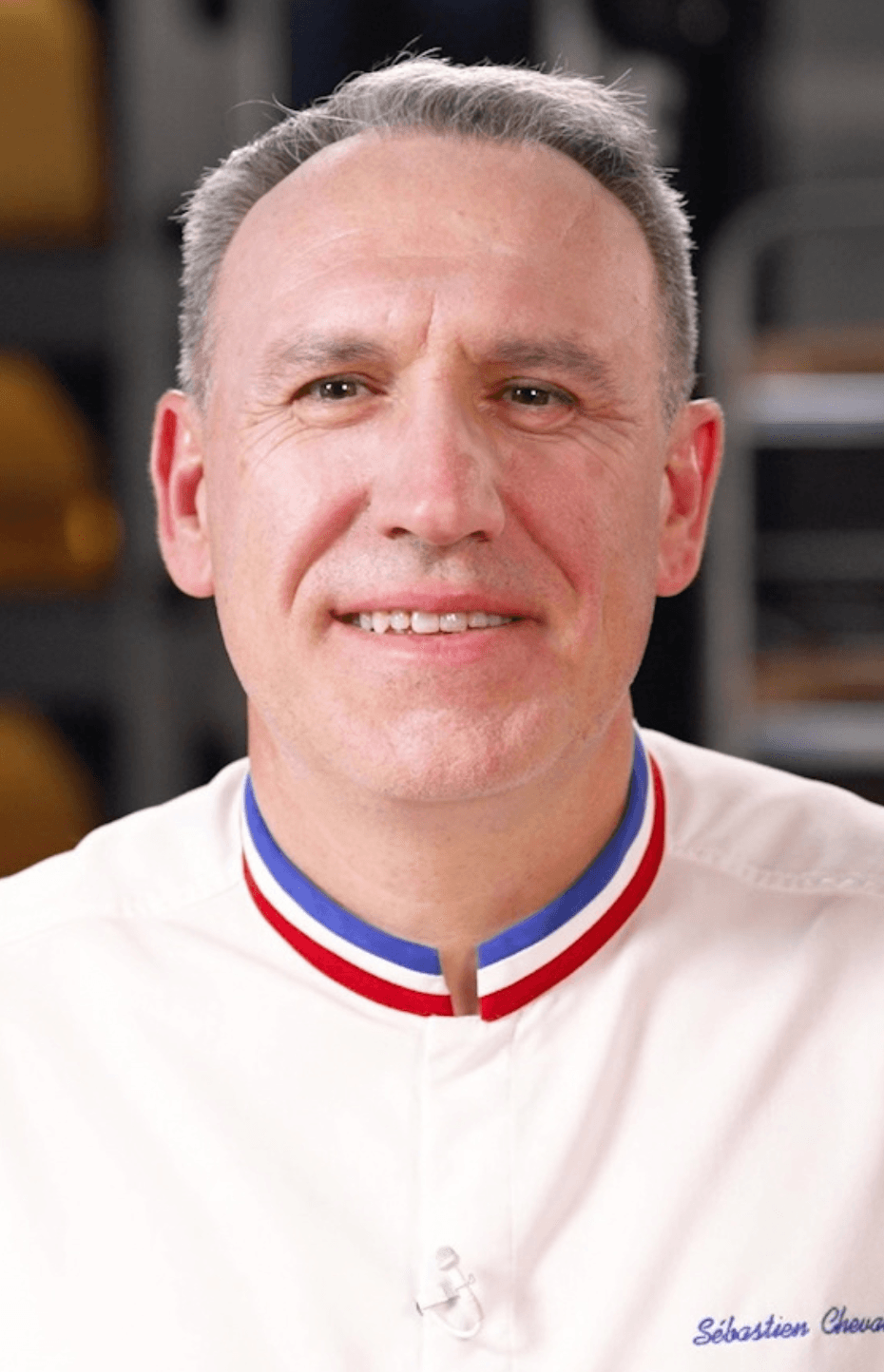
- Sébastien Chevallier — Meilleur Ouvrier de France in Bakery. Read about his career in our profile: Sébastien Chevallier, MOF Baker.
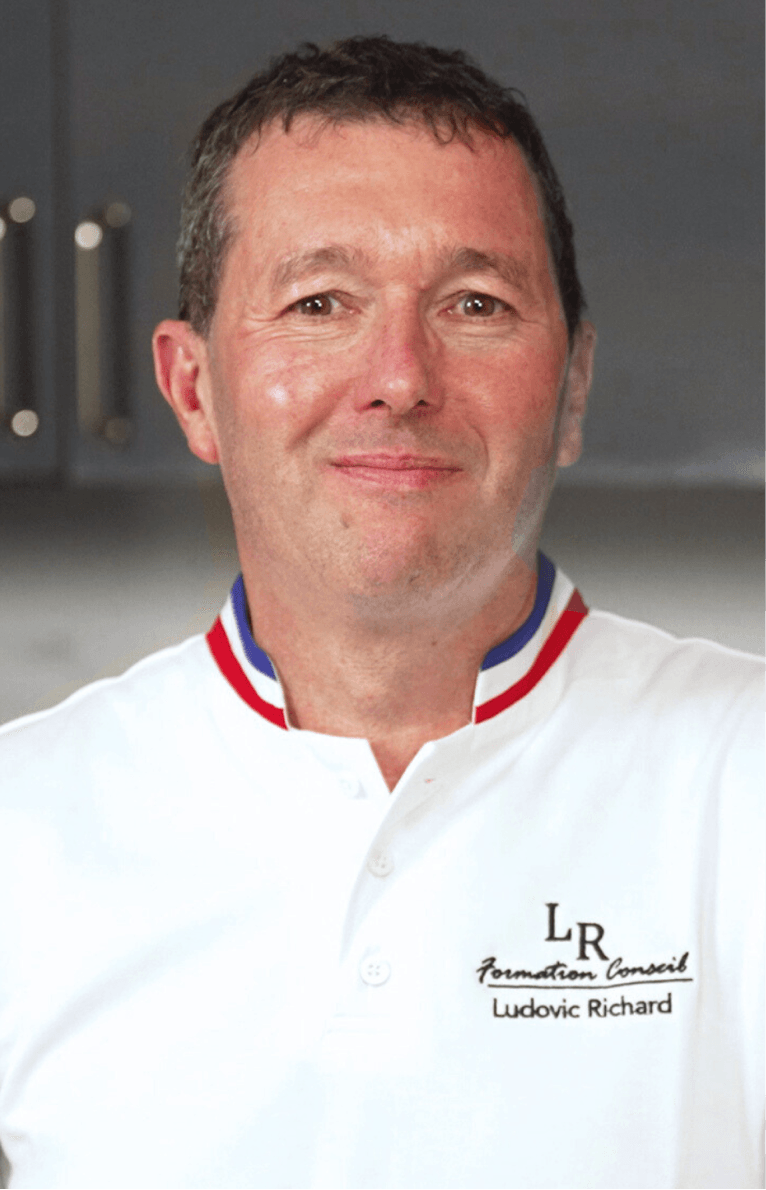
- Ludovic Richard — Meilleur Ouvrier de France in Bakery.
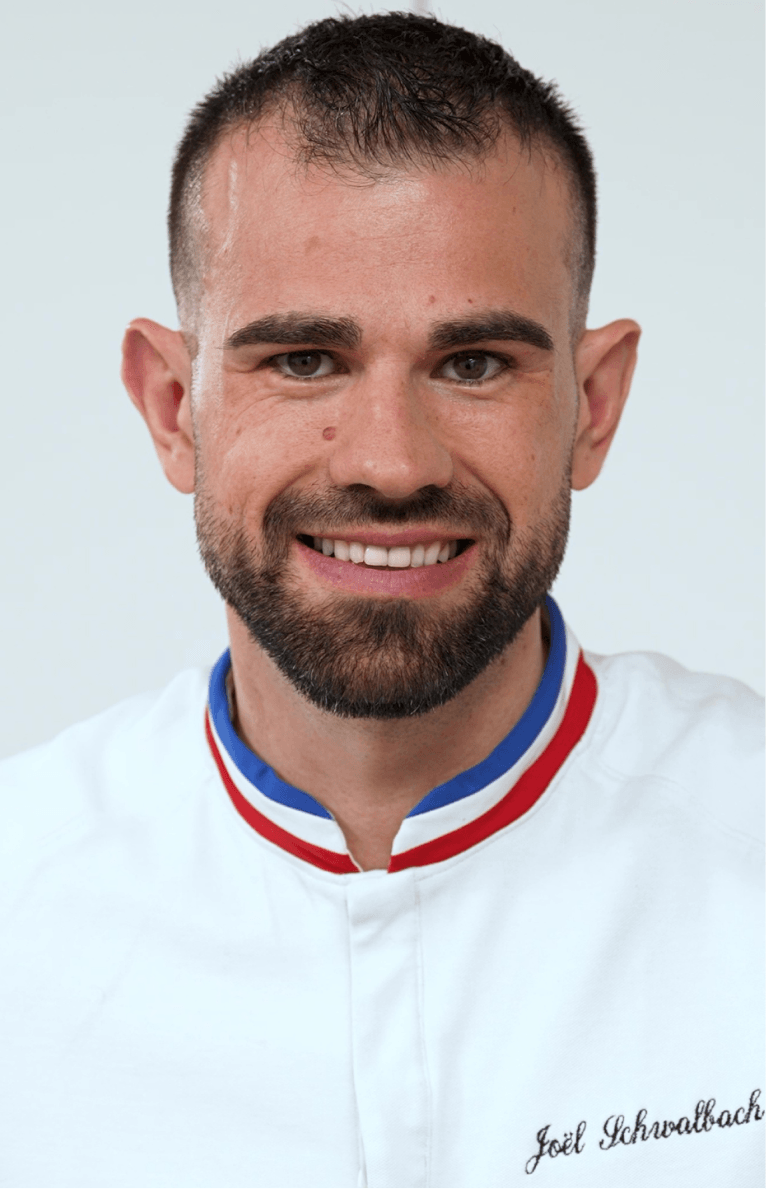
- Joël Schwalbach — Meilleur Ouvrier de France in Bakery.
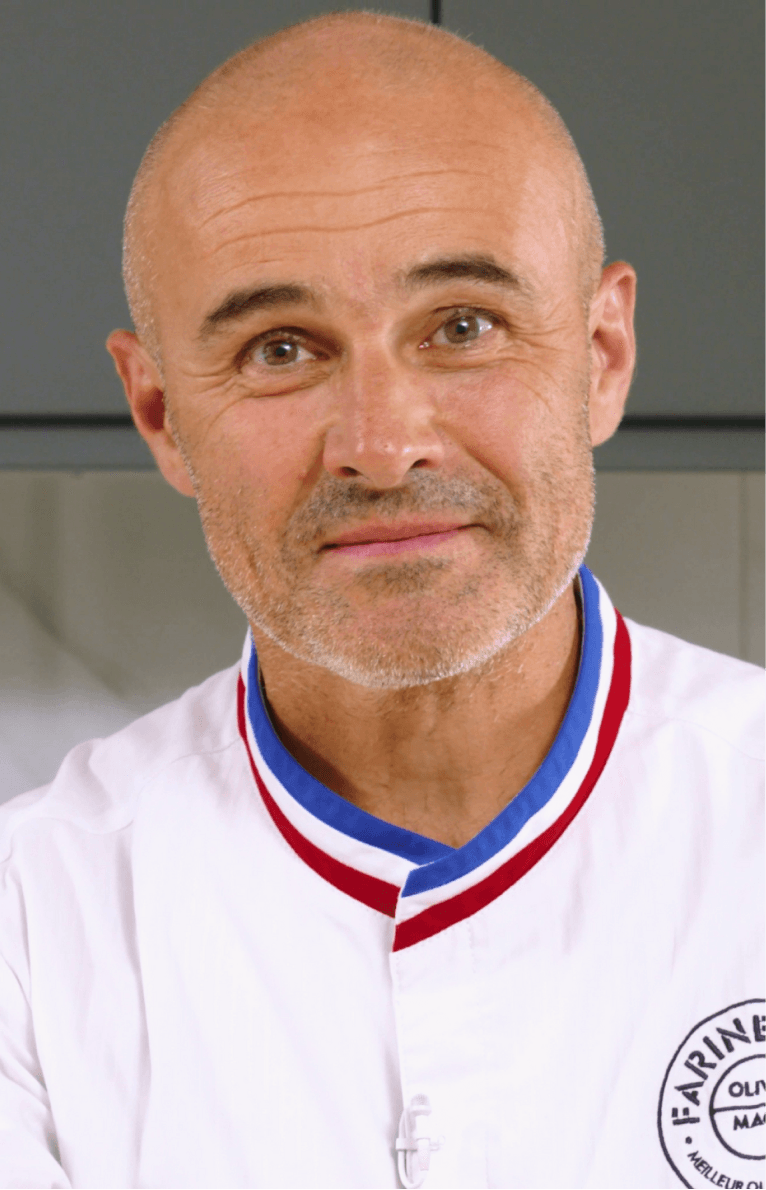
- Olivier Magne — Meilleur Ouvrier de France in Bakery.
- Cyrille Van Der Stuyft — Meilleur Ouvrier de France in Bakery.
Chocolate and confectionery
Chocolate and confectionery covers tempering, moulded and enrobed chocolates, bars, decorations and confectionery. Two MOFs in this discipline teach on VoilaChef.
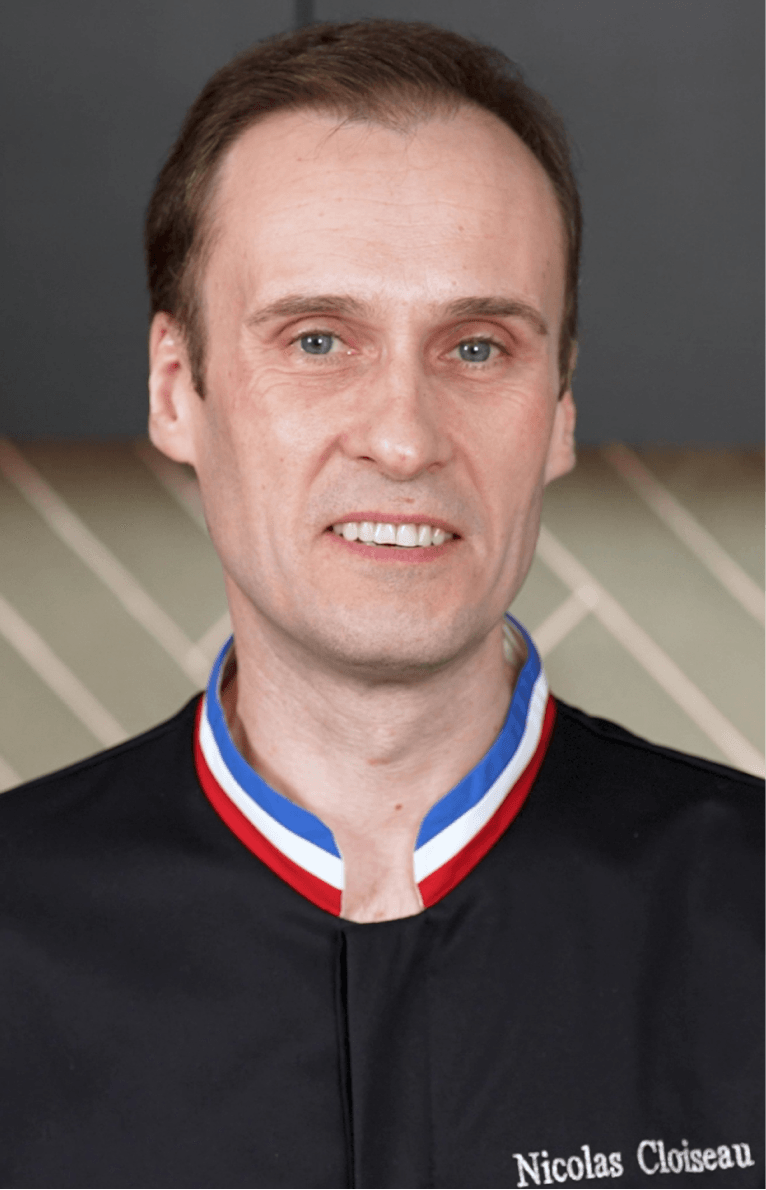
- Nicolas Cloiseau — Meilleur Ouvrier de France in Chocolate and Confectionery and Chef at La Maison du Chocolat. Chocolate work at a renowned house: consistency, stability and shine.
- Paul Occhipinti — Meilleur Ouvrier de France in Chocolate and Confectionery. A background in competition and production, focused on precise gestures and reproducible recipes.
Ice cream
The ice cream and sorbet discipline recognises a distinct technical skill set: balancing formulas, achieving the right texture and maintaining stability during service. The platform features two MOF ice cream makers.
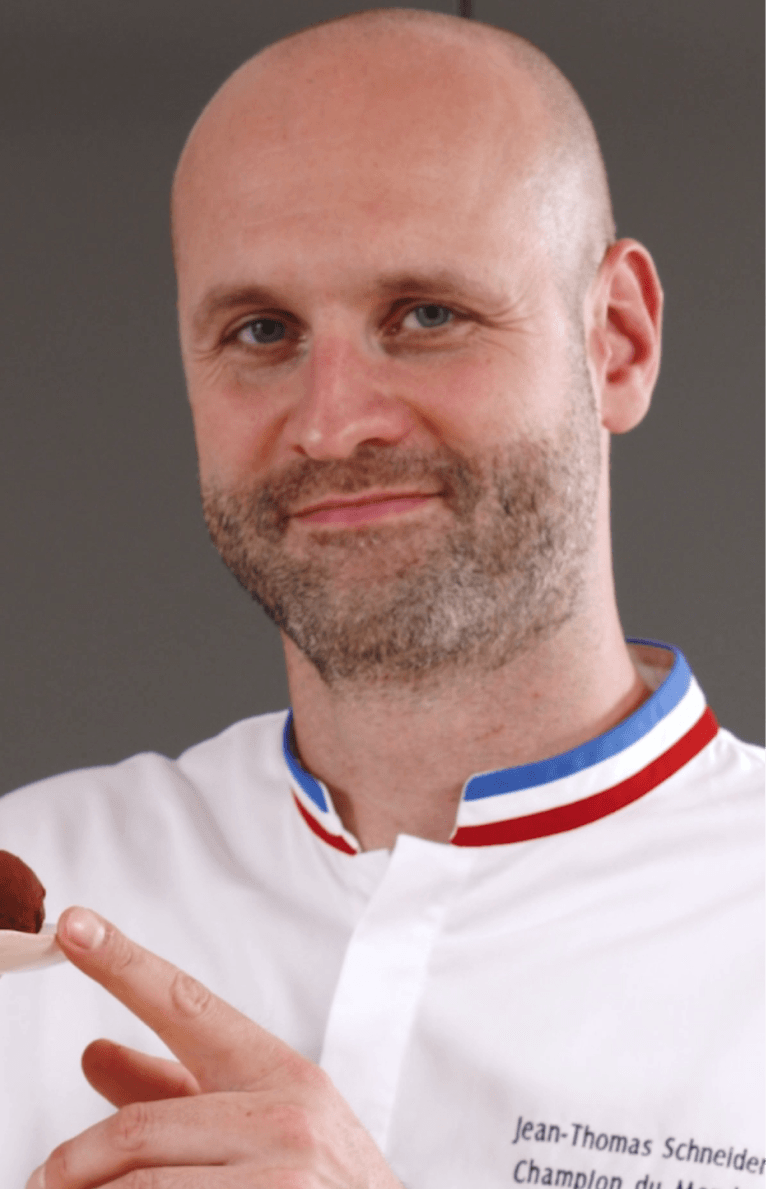
- Jean-Thomas Schneider — Meilleur Ouvrier de France in Ice Cream, also a World Ice Cream Champion and World Pastry Champion.
- Stéphane Augé — Meilleur Ouvrier de France in Ice Cream.
Other titles represented on the platform
The MOF title extends beyond sweet crafts and bread. Four other title holders complete this collection:
- Fabien Pairon — Meilleur Ouvrier de France in Charcuterie and Catering.
- Romain Leboeuf — Meilleur Ouvrier de France in Butchery.
- Laëtitia Gaborit — Meilleure Ouvrière de France in Cheesemongering.
- Virginie Basselot — Meilleure Ouvrière de France in Cookery.
Find all the platform’s Chefs, with or without a distinction, on the VoilaChef Chefs page.
Why learn from a MOF?
A title does not guarantee teaching ability. It does guarantee exacting standards, which already matter when you are trying to progress on your own. There are three practical benefits.
A benchmark for results, rather than intentions. A MOF has been assessed on finished products, within a time limit, by a jury that weighs, tastes and measures. When a Chef says a cream is ready, they show the tip of the piping bag, its texture on the whisk and the sound it makes. These are the reference points that a professional learning without an outside eye often lacks.
A production perspective, rather than a display case. Our MOFs work in houses, restaurants and production kitchens that sell what they make. Their courses focus on products that can be reproduced during service, rather than competition pieces that would be impossible to produce on a busy Saturday morning. That is the difference between admiring a creation and making it yourself.
A shared vocabulary. Hearing two MOFs describe the same tempering process or proofing stage in different words can be what makes something click. The catalogue is built around this principle: one product, several Chefs and several methods, so you can choose the approach that works in your own kitchen.
One point deserves to be clear: an online course does not prepare you for the MOF examination. Preparation takes place in a production kitchen, through timed practice. These courses help broaden your repertoire and address a specific point; they do not coach you through a final.
How to follow their courses
Access is simple: one subscription covers the entire catalogue, across all Chefs. You can then choose your starting point by discipline.
- Pastry — entremets, tarts, laminated pastry and plated desserts: pastry training.
- Bakery and viennoiserie — sourdough bread, yeasted doughs and laminated viennoiserie: bakery training.
- Chocolate and confectionery — tempering, chocolates, bars and decorations: chocolate and confectionery training.
- Ice cream and sorbets — bases, balance and textures: ice cream and sorbet training.
Subscriptions are available monthly or annually, with dedicated plans for students and professionals: all plans and prices.
Frequently asked questions about MOF courses
Do online MOF courses replace a qualification?
No. A CAP, BP or brevet de maîtrise certifies a foundation of professional skills and opens doors that video alone cannot. MOF courses let you observe high-level techniques, compare methods and address a specific point. They complement a qualification rather than replacing it.
What is the difference between a MOF and a World Champion?
MOF is a state-awarded title earned through an examination that assesses mastery across an entire craft, through multiple products. A world championship assesses a team’s performance against the clock. They are different distinctions: some VoilaChef Chefs hold both titles.
Can I follow MOF courses without being a professional pastry chef or baker?
Yes. The catalogue is organised by product and level, from beginner to expert, and a subscription gives access to every course. A professional can find ways to standardise production; a beginner can watch techniques being explained in a way that no book can show.