What is an international instructor in practice?
A practitioner who teaches, rather than a lecturer. All the Chefs on this page work, or have worked for a substantial period, in professional kitchens. Their credibility comes from production, rather than from talking about production.
Someone who has had to adapt their method. Transferring a sourdough, laminated pastry or entremets to another country requires an understanding of why a recipe works, rather than simply how to reproduce it. That understanding is what makes a course useful: an instructor who has had to explain a technique in another language explains it better in their own.
A link in the transmission of French pastry and bakery. Their work contributes to sharing French skills internationally. This is not a sales argument: it explains why their courses are often more structured, with named stages, explicit temperatures and written success criteria.
Beware of a common shortcut. “International instructor” is not an official title in the way that a MOF or a world title is. It is a job description, displayed as such on the profile. It describes a practice, rather than a certification: judge the courses rather than the wording.
The platform’s international instructors
The Chefs below display this description on their profiles. Several also hold a MOF title or a position in a palace hotel: these are stated without adding anything else.
Bakery
Sébastien Chevallier’s career is presented in our profile: Sébastien Chevallier, MOF Baker.
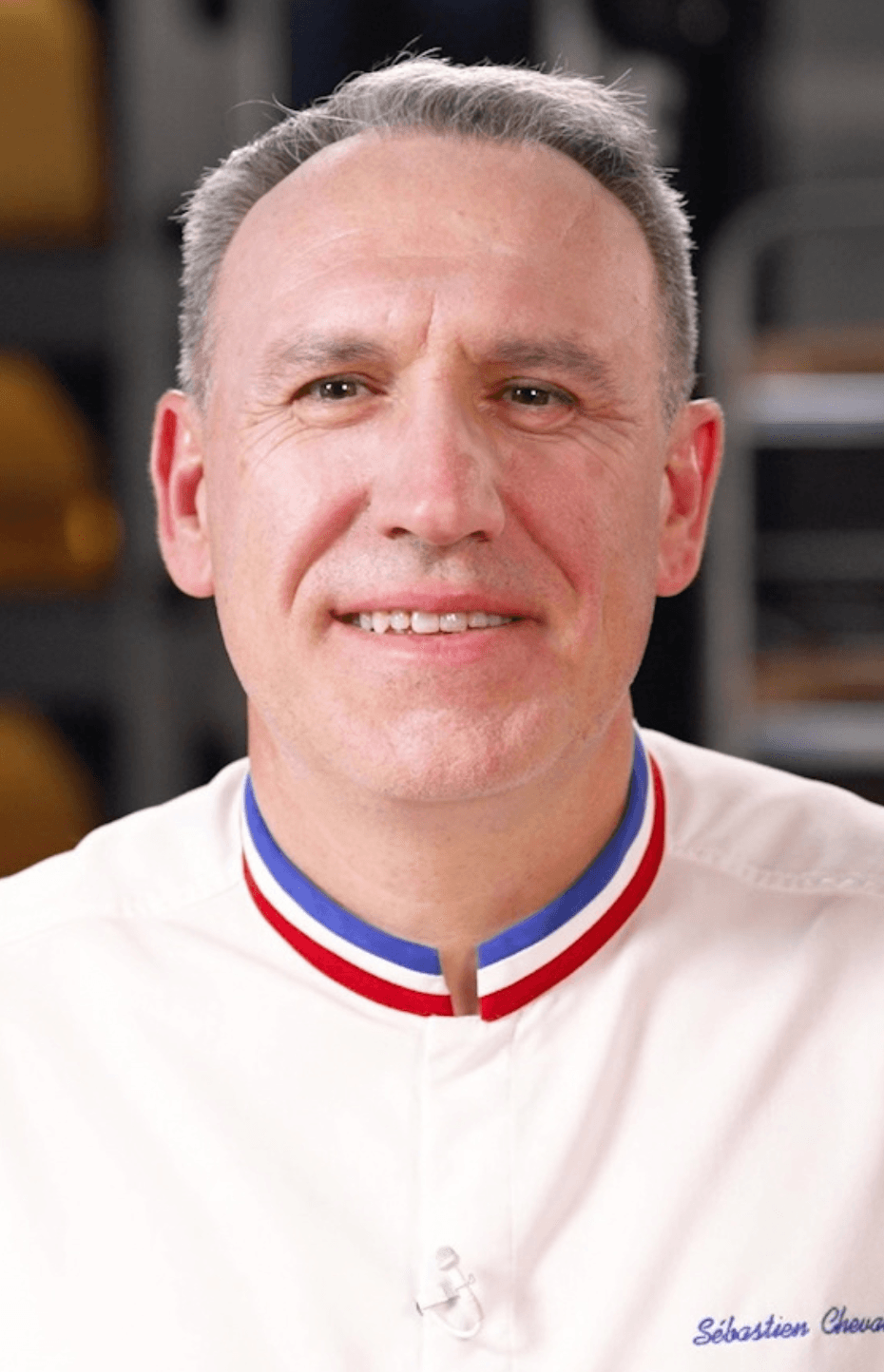 NewSébastienChevallier
Meilleur Ouvrier de France BakerInternational instructor
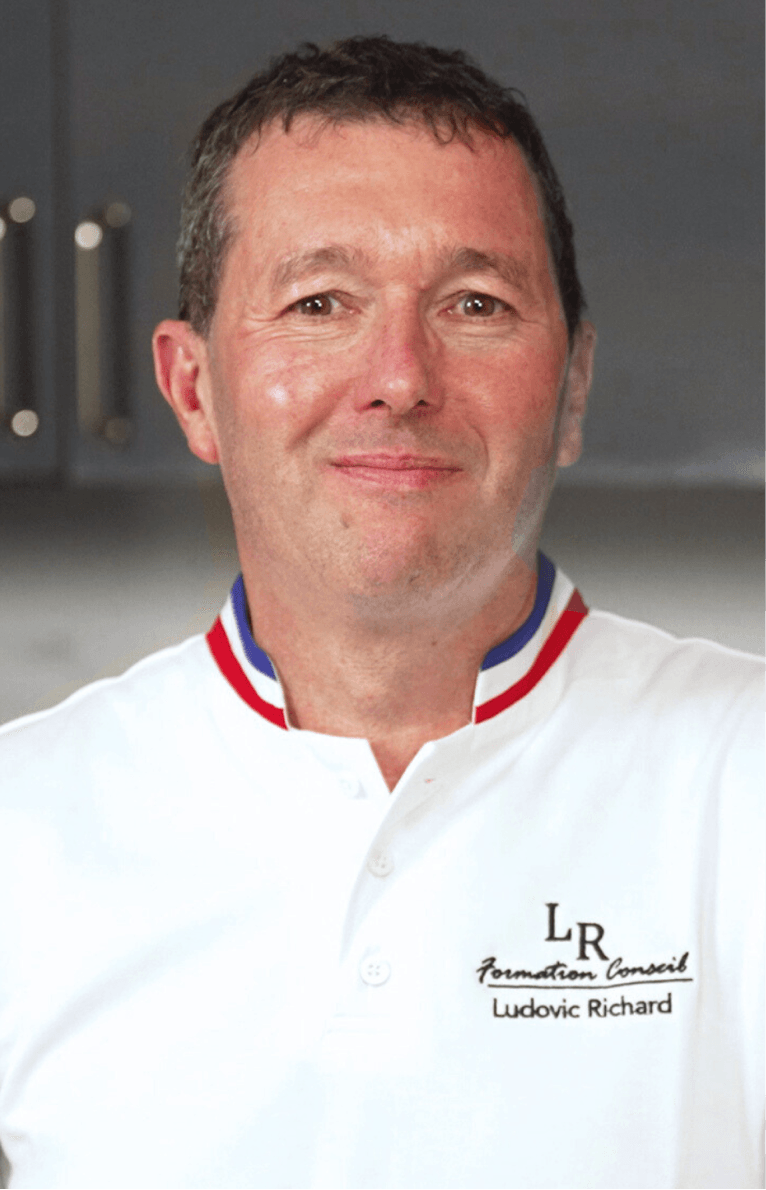 LudovicRichard
Meilleur Ouvrier de France BakerProfessor and international instructor
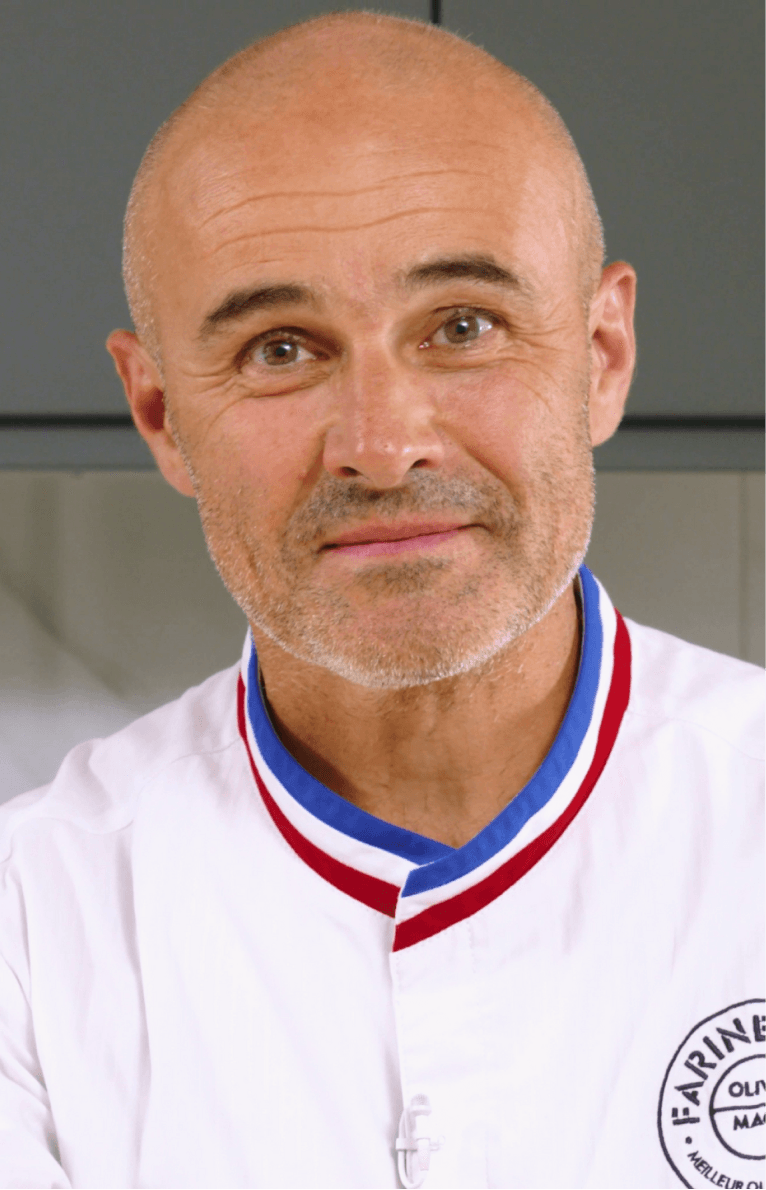 OlivierMagne
Meilleur Ouvrier de France BakerInternational instructor
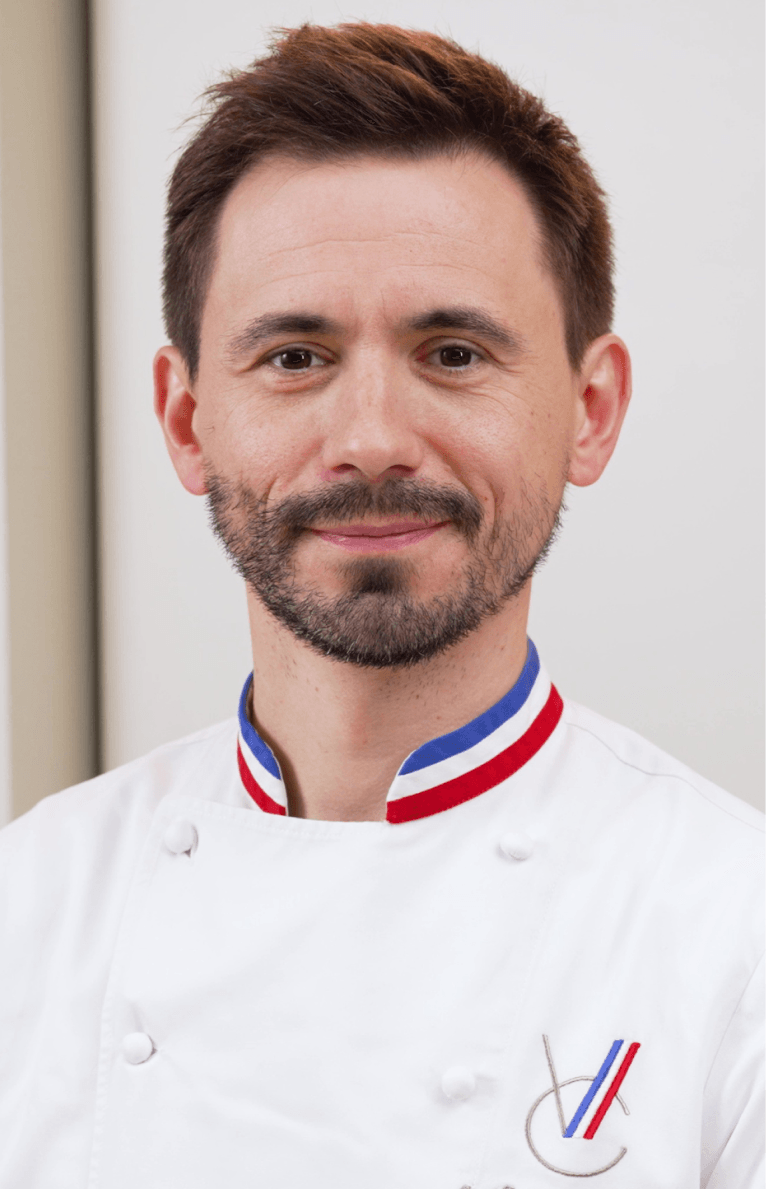 CyrilleVan Der Stuyft
Meilleur Ouvrier de France BakerInternational instructor and Consultant
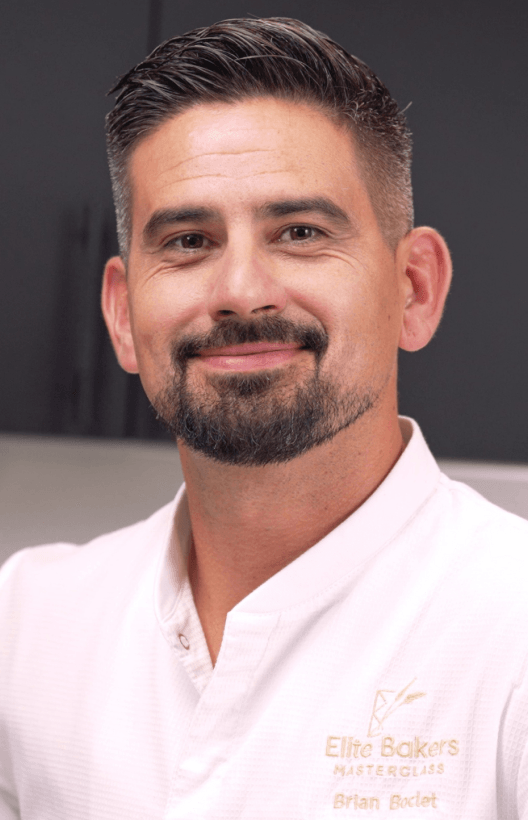 BrianBoclet
Master BakerInternational instructor
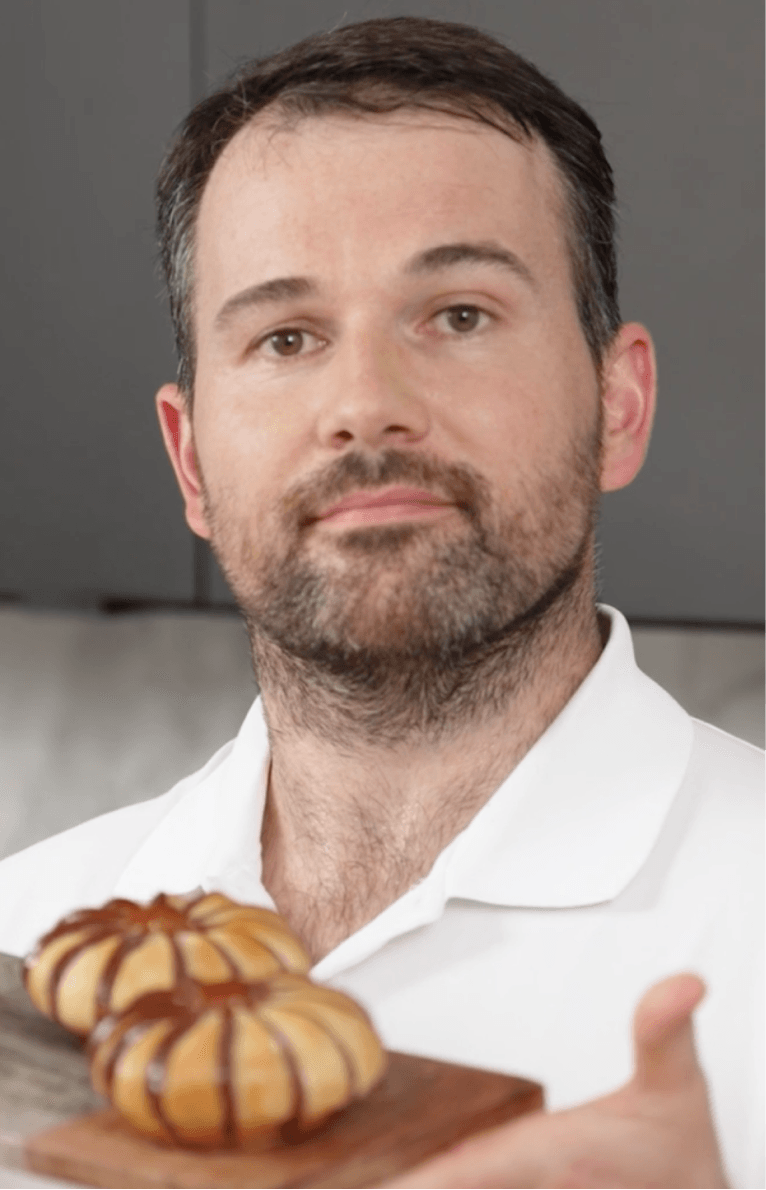 Jean-MarieLanio
Master BakerInternational instructor
Pastry and chocolate
Olivier Lainé is also an international instructor. He teaches at the École Ritz Escoffier: his profile combines production and teaching.
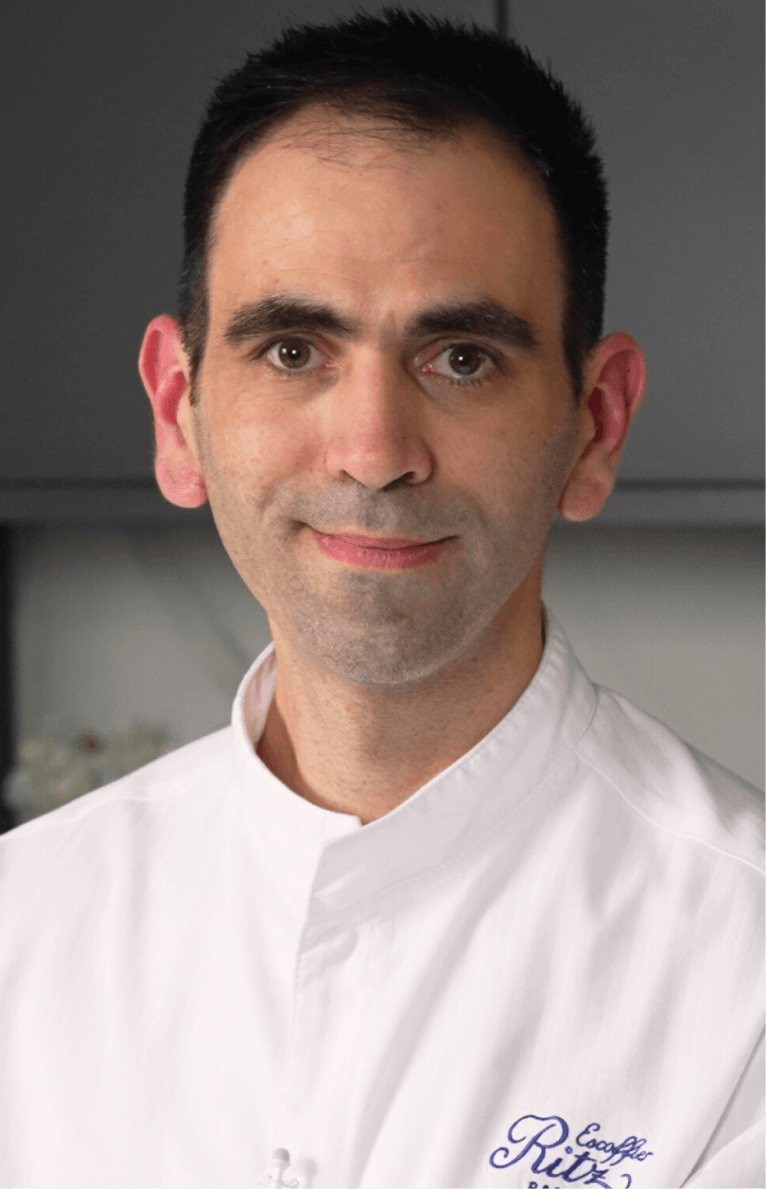 OlivierLainé
Executive Pastry Chef, Ritz ParisInternational instructor
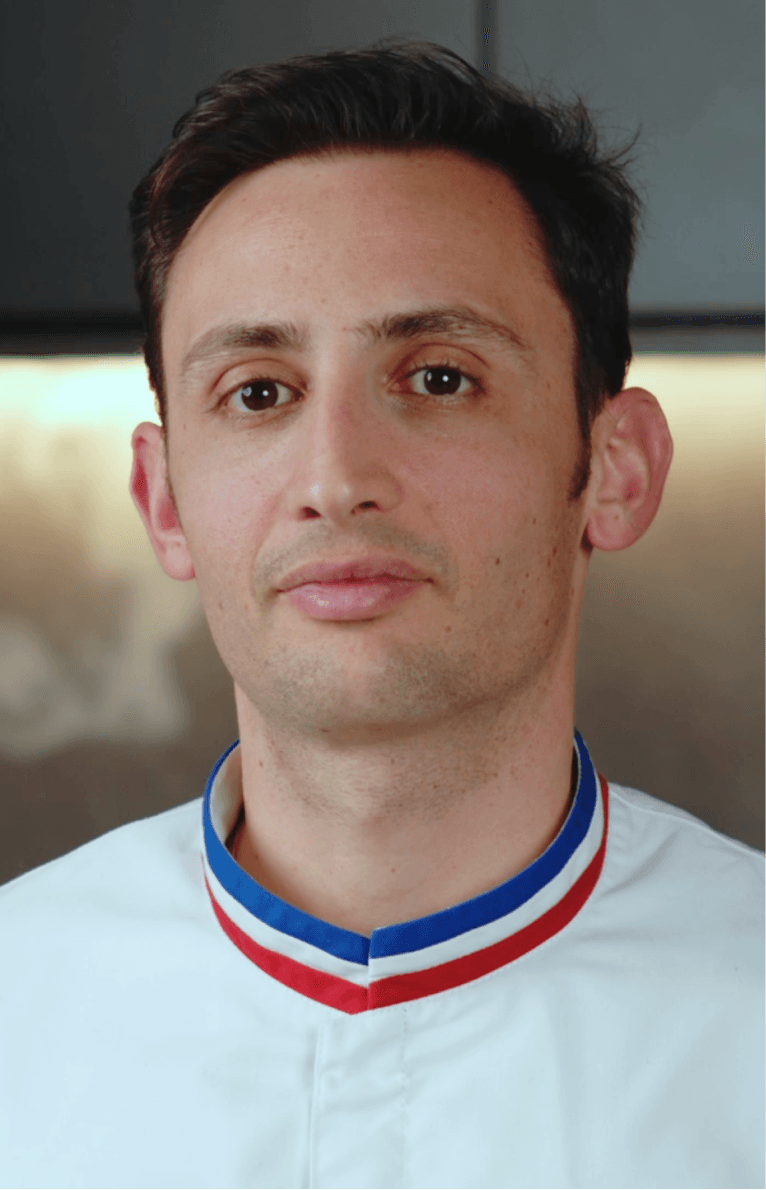 PaulOcchipinti
Meilleur Ouvrier de France Chocolatier ConfectionerInternational instructor
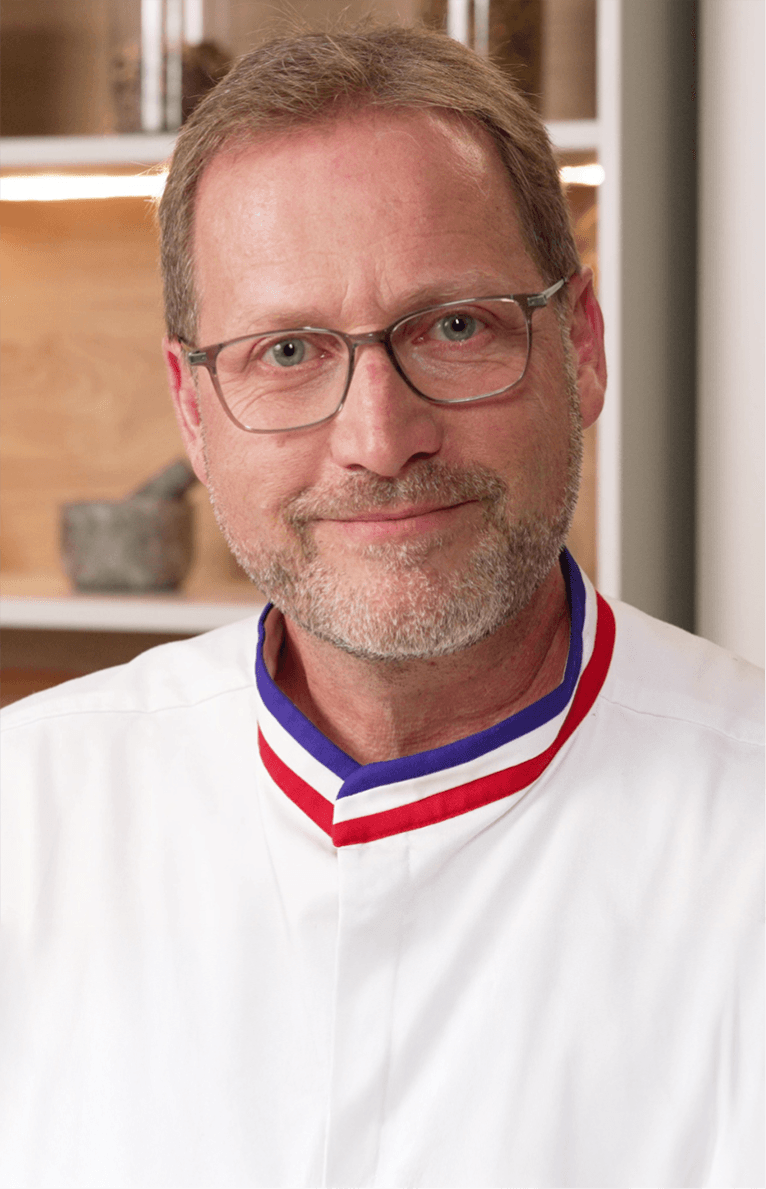 StéphaneAugé
Meilleur Ouvrier de France Ice Cream SpecialistProfessor and international instructor
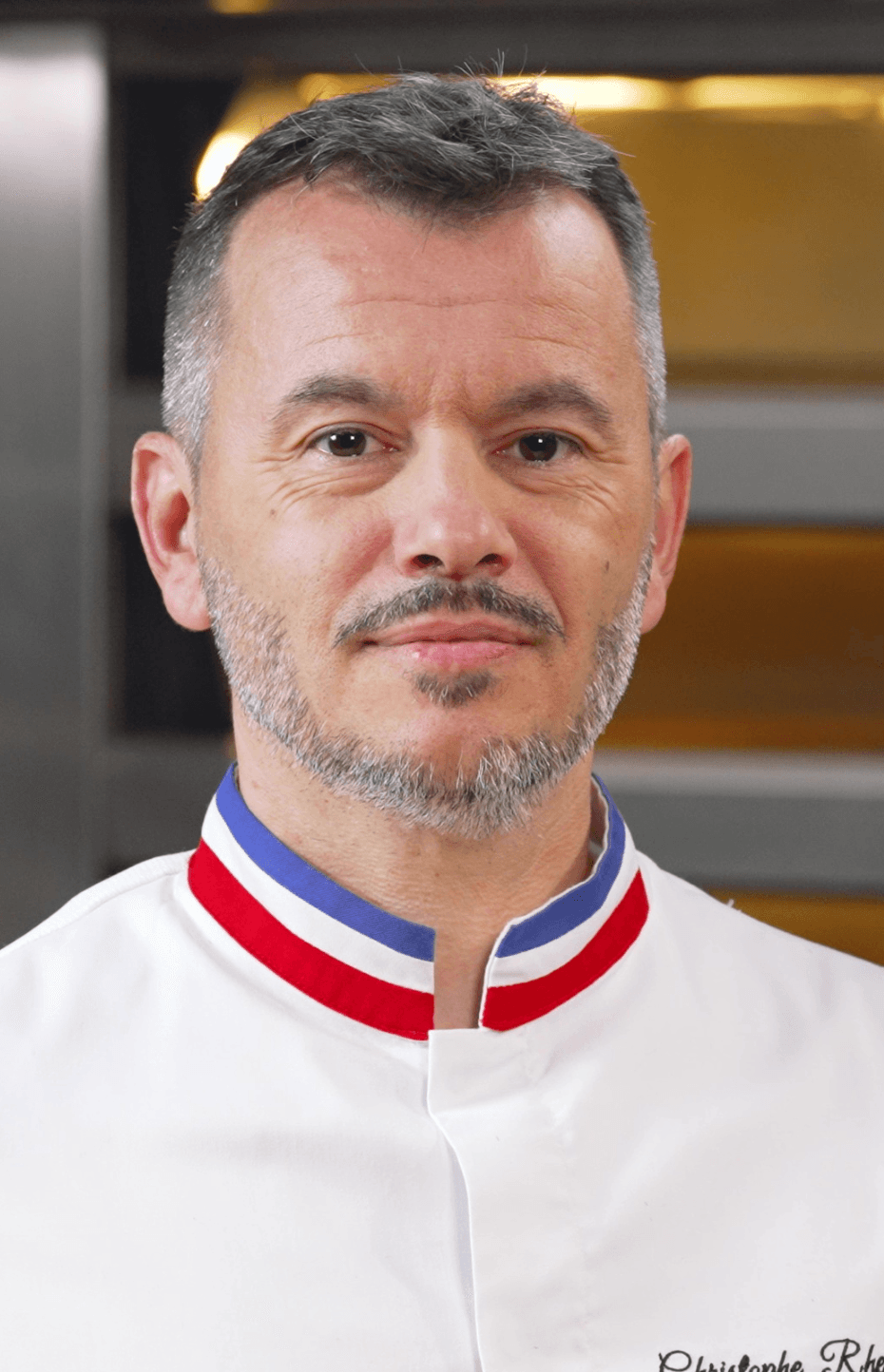 SoonChristopheRhedon
Meilleur Ouvrier de France Pastry ChefInstructor and Artisan
The platform’s full list of Chefs is available on the VoilaChef Chefs page. MOF titleholders are presented on the MOF page, and the competition itself in our MOF pastry article.
How to use their teaching in your kitchen
If you work abroad. Start with courses on fundamentals — sourdough, yeasted dough, creams and tempering — rather than finished products. These give you reference points for adjusting a recipe to your flour, water or climate. International instructors are the Chefs who have most often dealt with this challenge.
If you are in France. Use them to distinguish essentials from accessories. When a Chef explains that proofing should be judged by the dough rather than the clock, they are giving you a rule that transfers to all your recipes. This is the most practical benefit of a course from someone who has trained elsewhere.
If you train a team. A French-language video course, with named stages, provides an immediate briefing reference. The professionals and artisans plan helps build a shared internal reference without keeping the whole kitchen away from production.
A safeguard. No online course replaces an instructor who corrects your technique in person. These courses let you see more methods, compare approaches and revisit a specific point before an assessment or a new role.
How to take their courses
One subscription gives access to the full catalogue, across all Chefs. You then choose your starting point by discipline.
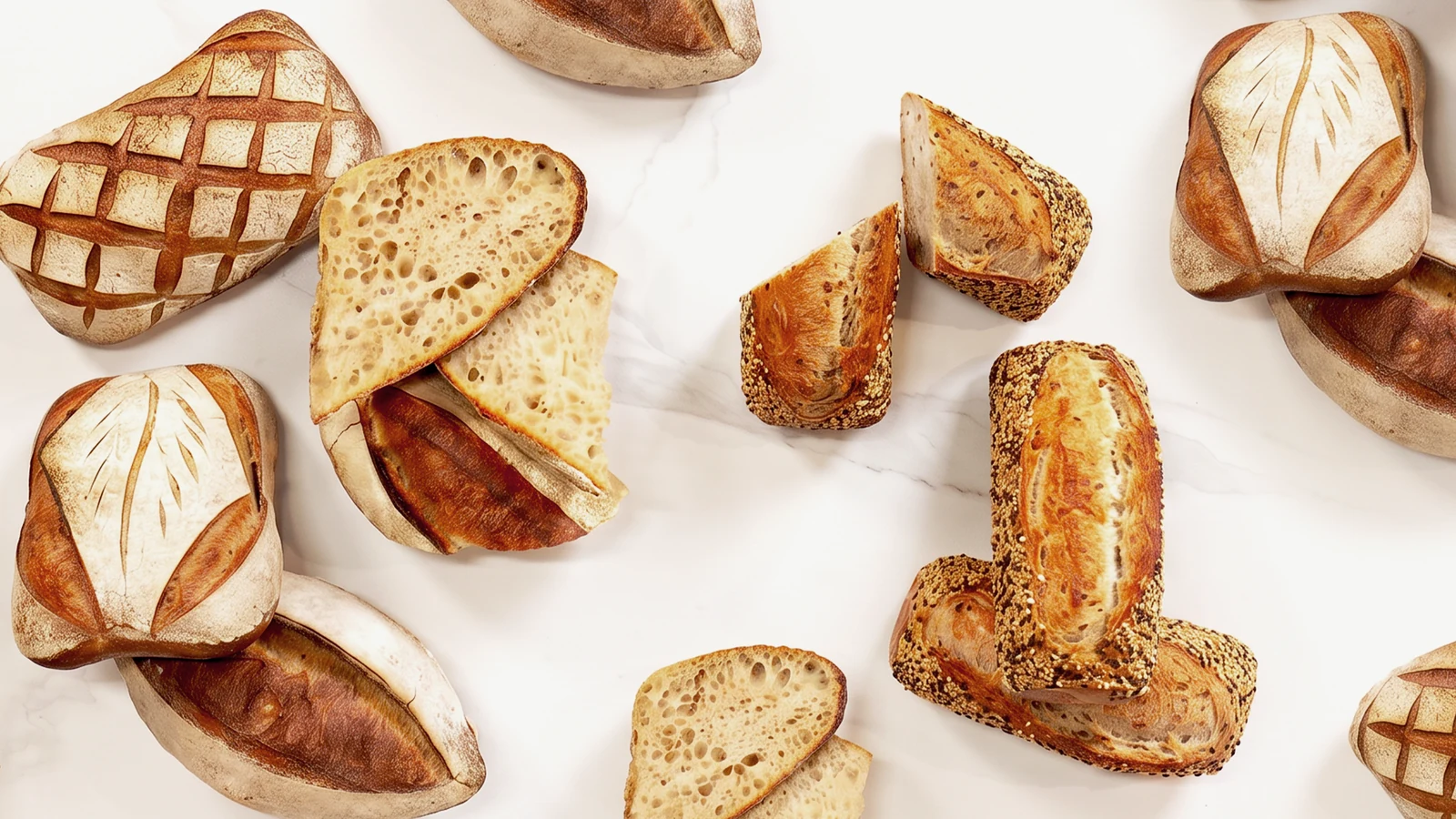
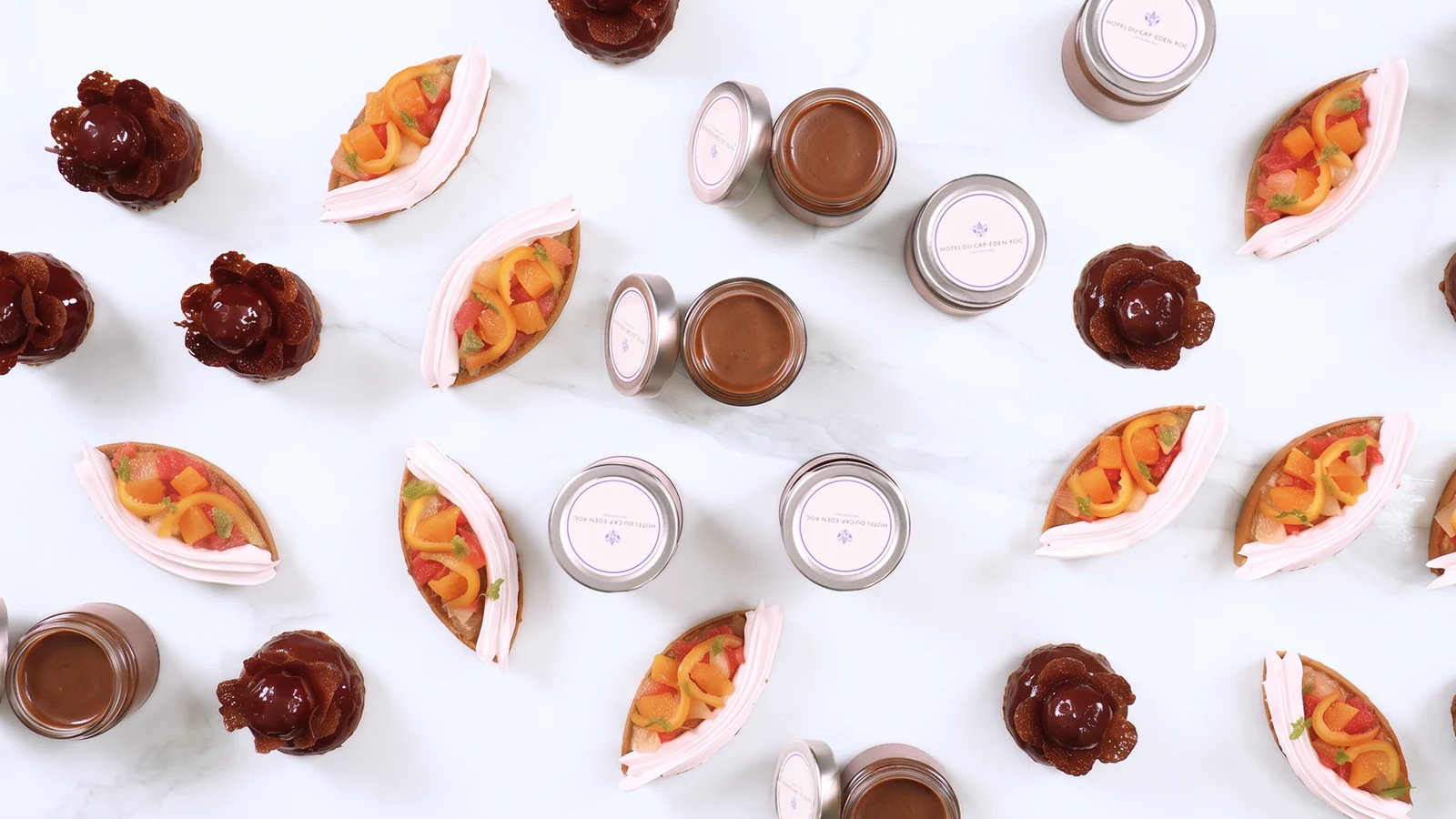
Subscriptions are available monthly or annually, with a plan for professionals and artisan businesses: all plans and prices, and for a team, the professionals and artisans plan.