News / 2 November 2026
Pastry classes with a “Michelin-starred chef”: how to choose?
Introductory workshops, professional training and online resources: choose your pastry course and extend your practice with VoilaChef.
VoilaChef
2 November 2026
In this story
Searching for a “pastry class with a Michelin-starred chef” can reflect several interests: discovering a recipe with a professional, exploring a technique in greater depth or enriching a training pathway. The Chef’s name matters when choosing, but so do the programme, its intended audience and the opportunities for practical work.
One clarification helps when reading the offers: Michelin stars recognise restaurants. They are not a personal title awarded to a pastry Chef. In pastry, distinctions such as Meilleur Ouvrier de France or World Champion reflect different careers and areas of expertise.
Introductory workshops, professional training in a school and online learning resources each have a place. Here is how to identify what they offer and combine them according to your goals, with in-person training at the heart of learning the practical skills of the trade.
At a glance
Michelin stars are awarded to restaurants; working in a starred restaurant does not make a pastry Chef personally “Michelin-starred”.
An introductory workshop provides opportunities to practise, ask questions and share an experience, depending on its programme.
Professional training supports learning a trade or developing a specific skill, within a framework and under arrangements defined by each programme.
VoilaChef’s video resources can extend this learning before, between and after periods of in-person training.
When comparing two offers, look at their objectives, prerequisites, supervised practice, learning materials and support arrangements.
What does “Michelin-starred chef” mean in pastry?
In everyday language, “Michelin-starred chef” often refers to the Chef associated with a restaurant recognised by Michelin. The MICHELIN Guide nevertheless makes clear that stars are awarded to the restaurant, not to an individual. Desserts contribute to the quality of its food; this does not turn the star into an individual distinction for the pastry Chef.
A pastry Chef may work in a starred restaurant or a luxury hotel. This professional setting tells you something about their experience, but it is distinct from the Meilleur Ouvrier de France title. Becoming an MOF involves a state examination in a specific craft category, as explained in our article about the MOF pastry title and examination. World Champion titles, meanwhile, come from competitions whose specialities and formats vary.
These distinctions help you understand a teacher’s career. When choosing a course, also examine its content, level and the way explanations are given. A title alone does not describe a programme or a teaching method; excellent teachers can also pass on their knowledge without holding these distinctions.
Introductory workshop, professional training or online resources: which format should you choose?
The first question is your objective. Would you like to spend time making pastries, learn a trade, develop a skill or have resources to support your ongoing practice? These needs can follow one another or be combined.
| Format | Main objective | Place in a learning pathway |
|---|---|---|
| Introductory or leisure workshop | Discover a recipe or technique and practise with an instructor | An experience for amateurs and enthusiasts, chosen according to the programme |
| Professional training | Learn a trade or develop skills within a structured framework | Supervised practice and learning objectives defined by the training provider |
| Online learning resources | Observe methods, revisit steps and broaden your knowledge | Materials to use alongside practical work and the training you undertake |
Workshops for discovery and enjoyment
A workshop can be a first introduction to pastry, a gift or an opportunity for an experienced amateur to practise. Its value includes making something on site and talking with the instructor. Content, duration and expected level vary: check what you will make yourself and the opportunities to ask questions.
Enjoyment and high standards can go together. A workshop can provide quality learning while meeting a goal of discovery or pleasure.
Training to learn a trade or develop professional skills
For a career change, a qualification or a specific professional need, look for a programme suited to your background. Institutions such as the INBP and the ENSP, part of École Ducasse, offer professional training and courses for developing skills. Their role involves building and deepening skills through practical work and teaching support.
Professional training can also be short and focused on a technique. Duration alone does not make it a leisure activity: its objectives, prerequisites and teaching arrangements are what matter.
Read each programme rather than relying on a brand name
One organisation can serve several audiences. Chefsquare and L’atelier des Chefs, for example, offer professional programmes alongside their other activities. It is therefore more useful to distinguish programmes for amateurs from professional pathways than to place an entire organisation in a single category.
What in-person training brings to learning pastry
Working in a pastry kitchen involves your hands, senses and organisation. Observing a texture does not give you the same points of reference as working with it yourself. A teacher who is present can watch your technique, discuss the result and help you understand what needs adjusting.
Professional training also provides a framework: objectives, progression and practical exercises defined by the programme. Exchanges with teachers and other participants contribute to this learning. If you are working towards a qualification, check exactly which diploma or certification the programme prepares you for and how assessment is organised.
VoilaChef complements this work. Its filmed resources do not replace practical hours, a training course or a teacher correcting your technique beside you. They provide further opportunities to observe and revisit techniques along the way.
Before, between and after training: how can you use online resources?
Before: become familiar with a technique
Are you preparing for a course on entremets or beginning to work with a new family of doughs? Watching a demonstration can help you identify the vocabulary, steps and equipment involved. You can note what you would like to understand better and prepare questions to ask your teacher.
This preparation remains a personal resource. It does not replace the school’s prerequisites or the instructions for its programme.
Between sessions: revisit a step and prepare questions
After an initial practical session, a video lets you return to a particular moment: incorporating an ingredient, achieving the required consistency or assembling a dessert. You can relate this observation to your notes and to the result you obtained in the pastry kitchen.
If methods differ, try to understand their context and discuss them with your teacher. Within a supervised programme or examination preparation, the teaching team’s instructions and the qualification framework remain your points of reference.
After: continue experimenting and broaden your references
Once a training course has ended, videos and technical sheets can support further practice. Revisiting a step, recording your observations and discovering another Chef’s approach are all ways to enrich your practical work.
For a working professional, these resources can also help prepare a new recipe or a technical discussion with a team. They fit within a pathway that continues to include training courses, experience and exchanges between professionals.
VoilaChef resources to support your practice throughout the year
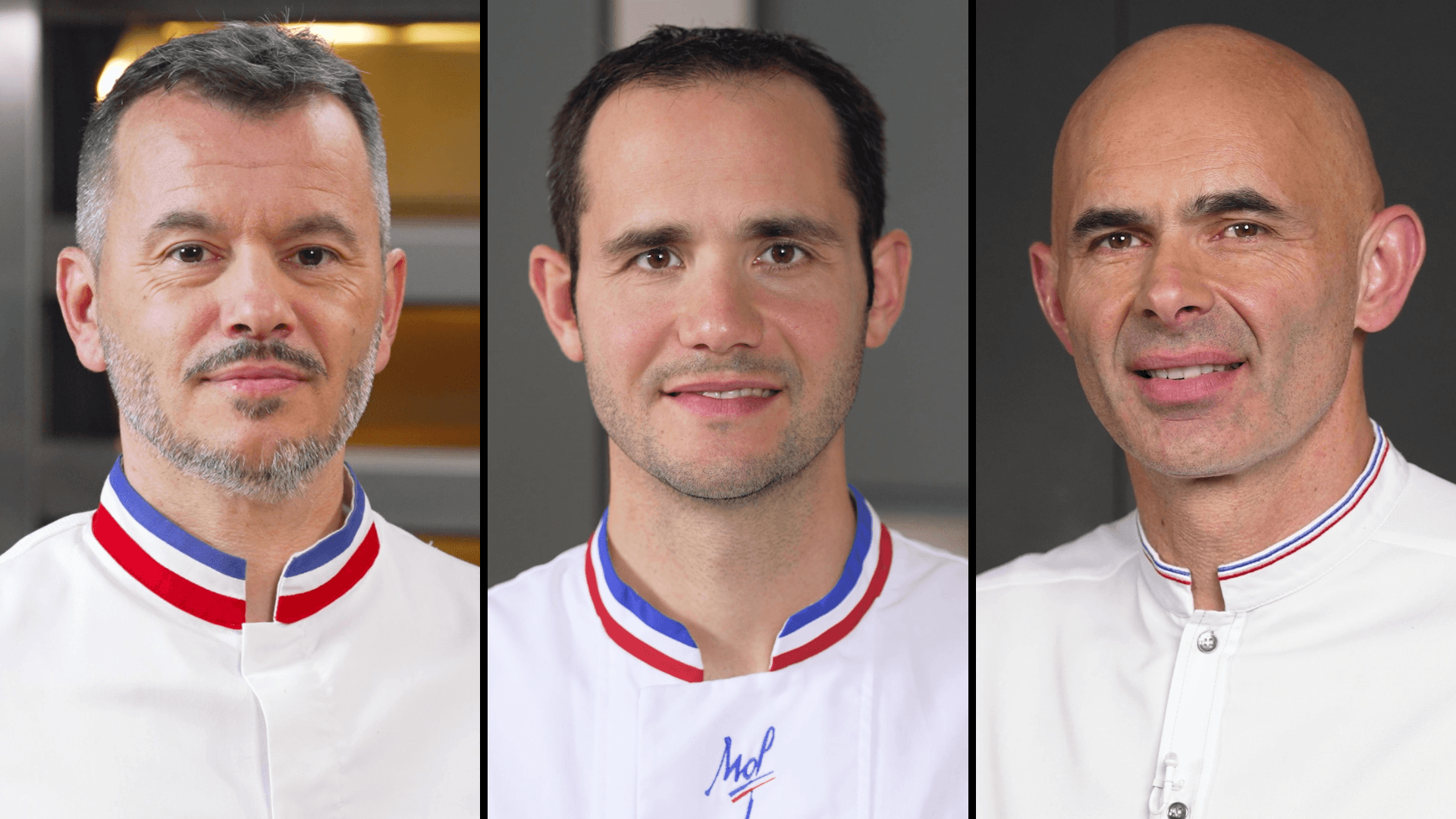
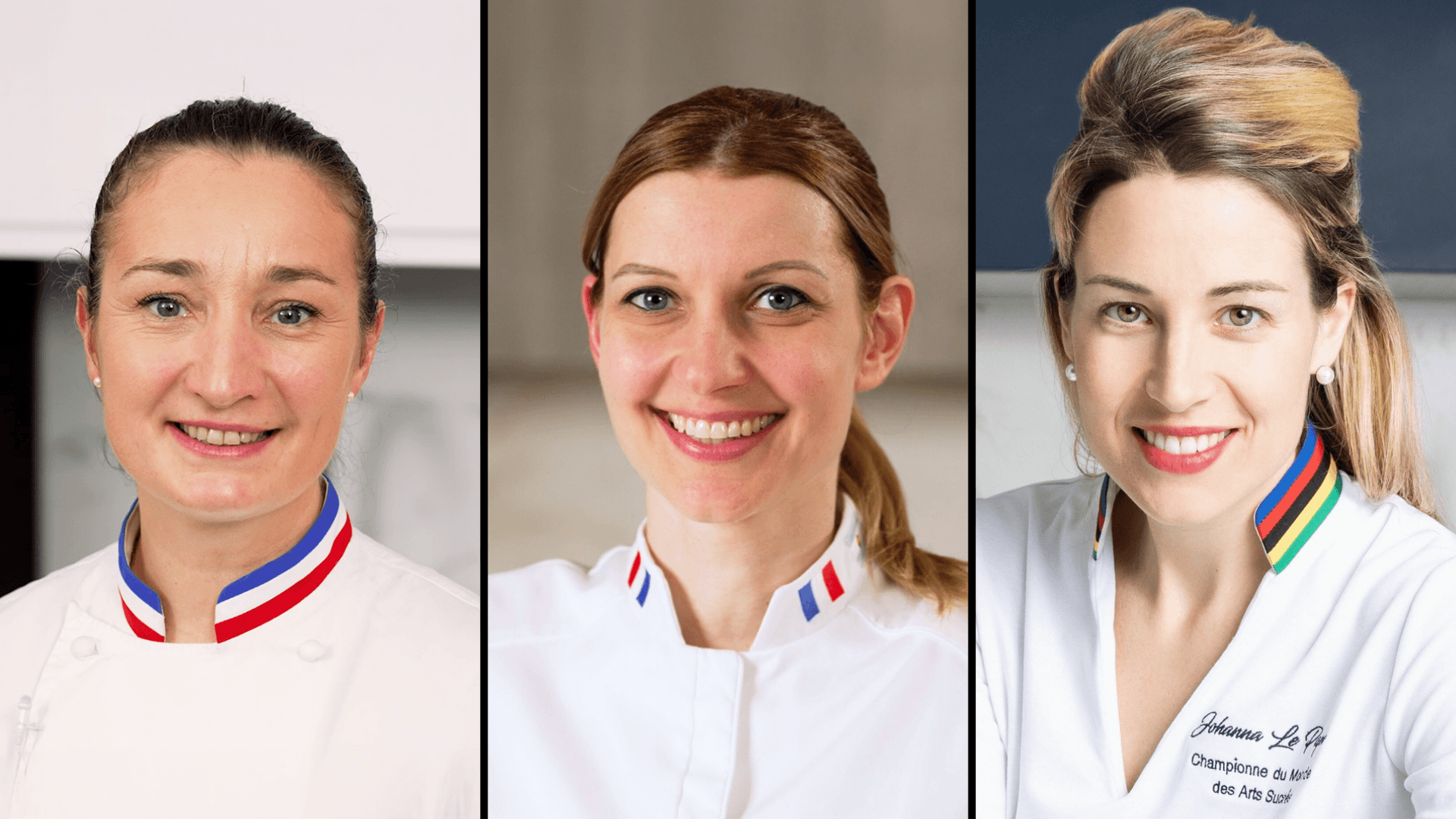
VoilaChef brings together filmed courses, recipes and technical sheets from MOFs, World Champions and Chefs from renowned establishments. The platform lets you consult these resources during your subscription, according to the techniques you would like to observe or practise again.
The VoilaChef catalogue includes 161 online courses, 1,095 educational videos and 46 leading Chefs.
The value lies in being able to return to a demonstration and discover several professional approaches. This observation supports practical work and reflection; it is not an individual assessment of your technique or a qualification.
To see how a course is presented, Angelo Musa’s fraisier, classified as Expert, includes a free first step devoted to strawberry confit. The programme then presents the preparations and assembly of the dessert. This preview helps you assess the level and precision of the explanations before choosing content suited to your practice.
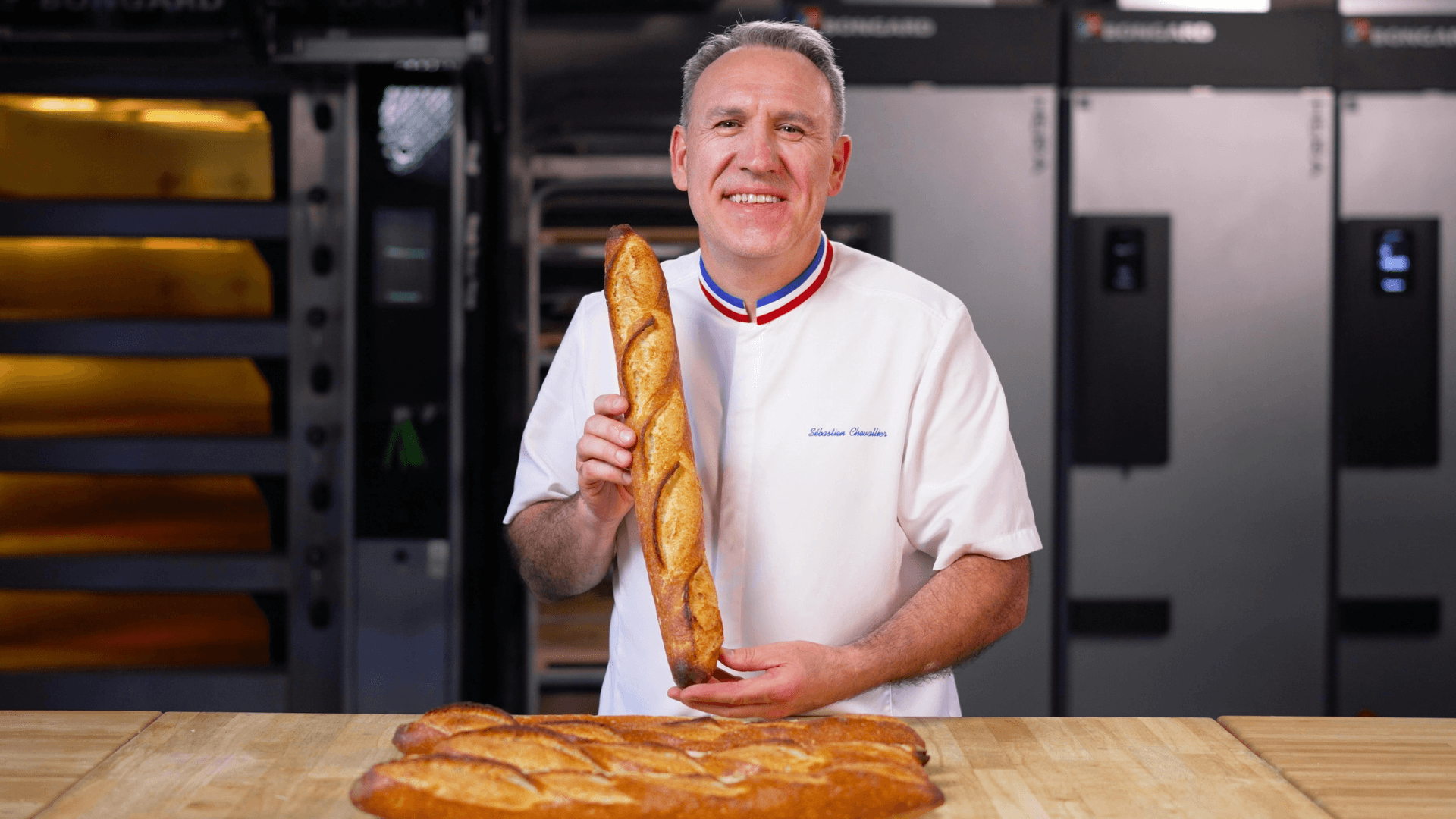
You can explore the pastry courses by level and product. For the bakery side of a learning pathway, the profile of Sébastien Chevallier, MOF baker, also illustrates a career shaped by training, experience and sharing knowledge.
What budget should you plan for a pastry course?
Read the price alongside the programme. An introductory workshop, a professional training course and a subscription to learning resources do not pay for the same service. For in-person training, compare practical time, participant numbers, supervision, equipment, learning materials and any follow-up arrangements. For professional training, ask the provider for a programme and a quote suited to your situation.
Comparing the price of a school-based training course with a video subscription does not establish that one format is better. The aim is to identify what each provides and, if it suits your project, allow a budget for complementary resources.
The public VoilaChef prices checked on 2 November 2026 are:
Professionals and passionate amateurs: €59 including VAT per month, billed monthly, with a 12-month commitment.
Professionals and passionate amateurs, annual plan: €490 including VAT, paid in one instalment for the year, equivalent to €40.83 including VAT per month. This is not a monthly payment at that amount.
Students and career changers: €294 including VAT per year, paid in one instalment, subject to approval of supporting documentation confirming student or training status.
Current conditions and amounts are detailed on the VoilaChef pricing and students and career changers pages.
Frequently asked questions
Can a beginner take a pastry class with a “Michelin-starred chef”?
Some offers welcome beginners; others require prior knowledge. Check the prerequisites, planned recipes and support provided. The phrase “Michelin-starred chef” is not enough to identify a course’s level. A suitable introductory workshop can be a good first experience of practising with an instructor.
Is an MOF pastry Chef a “Michelin-starred chef”?
These are two distinct concepts. The MOF title belongs to an individual and relates to a specific craft category. Michelin stars recognise a restaurant. A pastry Chef can be an MOF and work in a starred restaurant without these two forms of recognition being interchangeable.
Does VoilaChef replace a school or in-person training?
No. VoilaChef provides complementary resources for observation, revision and enriching your practice. They do not replace supervised practical work in a pastry kitchen, support from a teacher or training that prepares you for a qualification. A school or professional training course and video resources can each have a place within the same pathway.
How can you use these resources during a CAP or a career change?
You can revisit a technique, prepare questions and broaden your knowledge of the trade. Start with your institution’s programme and your teachers’ instructions. The videos provide additional examples; they do not replace the teaching, assessments or periods of practical work required by your training.
What is the value for a professional who already attends training courses?
Having demonstrations available between training courses lets you revisit a technical point, prepare further practice or discover another approach. These uses can extend training throughout the year. They take nothing away from the value of returning to in-person training to practise, exchange ideas and benefit from an outside perspective.
Sources and reference points
MICHELIN Guide: awarding stars to restaurants and assessment criteria.
COET-MOF: organisation of the Un des Meilleurs Ouvriers de France examination.
INBP and École Ducasse / ENSP: professional training programmes and arrangements.
Pastry courses and public VoilaChef prices, consulted on 2 November 2026.