Blog / 14 January 2026
How to make a Galette des Rois with puff pastry?
Learn how to make a tender, golden Galette des Rois with puff pastry, thanks to a step-by-step sensory, beginner-friendly guide.
Sandra Zwingelstein
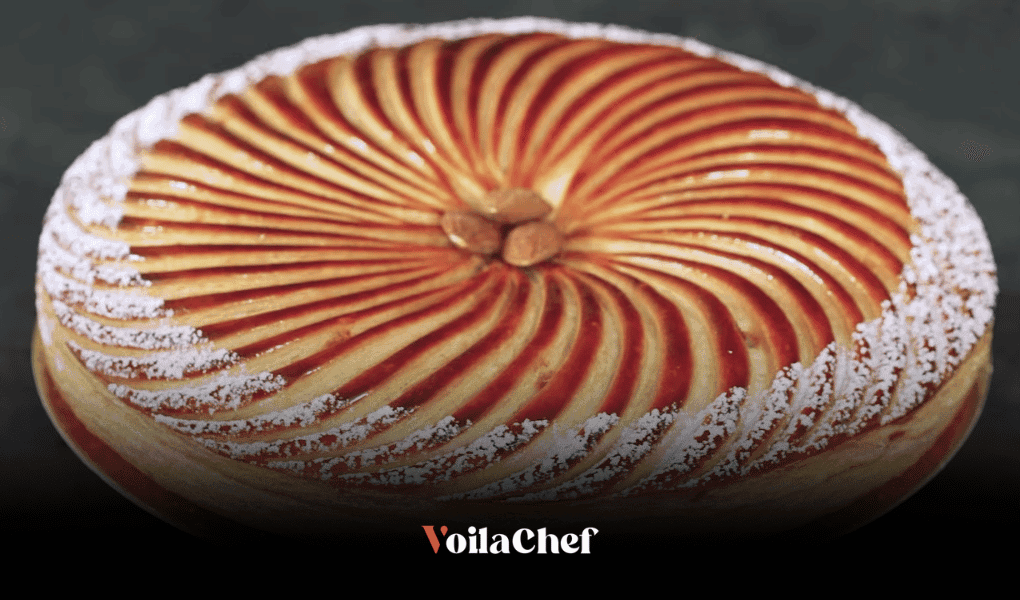
Galette des Rois often brings back a very specific moment: a table still warm, buttery aromas drifting from the oven, and that delicious silence just before the first slice.
Good news: making a Galette des Rois with puff pastry is far more accessible than you might think and this article will guide you step by step, with gentleness and precision.
Imagine a golden crust that lightly crackles under the knife, revealing a melt-in-the-mouth almond frangipane, still soft in the centre. With every bite, the contrast between crisp layers and creamy filling is pure magic.
A helpful note: great puff pastry is mostly about respecting temperature and a few simple gestures much more than complicated technique.
In this guide, you’ll discover:
- how to choose and prepare your puff pastry
- the key steps for balanced, creamy frangipane
- gentle gestures for a clean, elegant assembly
- tips for even baking and a glossy finish
Take a moment, gather your ingredients, and let yourself enjoy the process making a Galette des Rois becomes a real pleasure, almost meditative.

1. Choosing and preparing your puff pastry
Puff pastry is the galette’s soul. Even before we talk about filling, it deserves your full attention. The right pastry gives you those light layers clearly visible rising gently in the oven and releasing an irresistible buttery aroma.
If you’re using ready-made puff pastry, choose an all-butter version. As soon as you unwrap it, it feels supple and slightly cool under your fingers. Let it rest for a few minutes at room temperature: it relaxes and becomes easier to handle without tearing.
As you unroll it, take a moment to observe. You can often see fine marbling sign of good lamination. Place it on a cool surface and gently even out the edges. This small gesture helps create a more regular galette and more even baking.
If you enjoy understanding what’s happening beneath your hands, an online pastry course can help you deepen the basics of puff pastry especially butter management and temperature control, always valuable in pastry.
Also remember to keep the pastry chilled between steps. Pastry that’s too warm becomes sticky, loses structure, and the layers flatten. When properly cold, it rises better, forming those airy sheets everyone loves.
To know:
- all-butter pastry tastes better
- cold is puff pastry’s best friend
- rested dough is easier to work with
2. Making frangipane that’s creamy and balanced
Frangipane is the galette’s indulgent heart. It should be creamy, never heavy, with a gentle almond aroma that blooms as it bakes.
In a mixing bowl, start by working the softened butter with a spatula. It becomes smooth and almost silky, ready to welcome the sugar. As you combine them, the mixture lightens slightly and turns airy, a sign the butter is well emulsified.
Add the eggs one by one. With each addition, the cream loosens and becomes more luscious. The aroma shifts subtly, turning rounder and warmer. Finally, the ground almonds structure the mixture, bringing that fine, velvety grain that makes frangipane so distinctive.
A touch of vanilla or rum can enrich the aroma without masking the almond. The goal isn’t to overload it, but to add a warm, enveloping note. Frangipane should remain balanced pleasant even in a small slice.
If the texture feels too dense, a short rest in the fridge helps it firm up gently. It becomes easier to spread without running ideal for clean assembly.
Quick tips:
- very soft butter for a smooth cream
- subtle flavourings to respect the almond
- supple texture, but not runny
3. Assembling the galette with precision and care
Assembly is a calm moment, almost a ritual. Place the first puff pastry disc on a chilled baking tray. Spread the frangipane gently in the centre, stopping a few centimetres from the edge. The surface should be smooth and slightly glossy, ready to be sealed in.
Don’t forget the fève: slip it discreetly to the side to avoid surprises when slicing. This small detail is part of the tradition and the joy of sharing.
Lightly moisten the border of the pastry with water. This helps the two discs adhere. Cover with the second disc, then press gently with your fingertips to seal. The pressure should be soft and even just enough to trap air without crushing the layers.
Using the back of a knife, you can now decorate the surface. Draw patterns without piercing the pastry. In the oven, those lines become more golden and more visible, giving the galette its classic look.
A chill of at least 30 minutes is strongly recommended. The pastry firms up, the edges set, and the layers develop better in the oven—creating that beautiful, even rise.
Helpful tips:
- don’t spread frangipane all the way to the edge
- seal without flattening
- chill for better lift
4. Baking and finishing for a golden, crisp galette
Baking reveals all the work you’ve done. As the galette enters the hot oven, it begins to rise gently. Butter melts and turns to steam, creating those puffed layers that lift one after another.
The egg wash, brushed on with care, gives the surface an amber glow almost satin-like. The smell is instantly recognisable: warm, buttery, lightly toasted.
Watch the bake without opening the oven too often. Galette loves steady heat. Little by little, the edges turn crisp and the surface colours evenly. When you take it out, you may even hear a faint crackle from the layers sign of success.
Once out of the oven, let it rest for a few minutes. The galette stabilises and the frangipane firms slightly, making for a clean slice. Under the knife, the pastry resists for a moment, then yields revealing a soft, fragrant interior.
Serve warm or at room temperature, as you prefer. Each slice keeps that contrast between crisp exterior and tender centre the signature of a successful galette.
In brief:
- even baking without temperature swings
- rest after baking for better structure
- crisp / tender contrast is the goal
Conclusion
Making a Galette des Rois with puff pastry is, above all, about simple gestures and respecting time. Enjoy each step, observe the textures, and let the aromas guide your senses. And if you ever feel like going further, an online pastry course can gently enrich your practice.