Blog / 1 January 2026
How to make shortcrust pastry?
Learn how to make tender, crisp homemade shortcrust pastry with sensory gestures and pastry-chef tips.
Sandra Zwingelstein
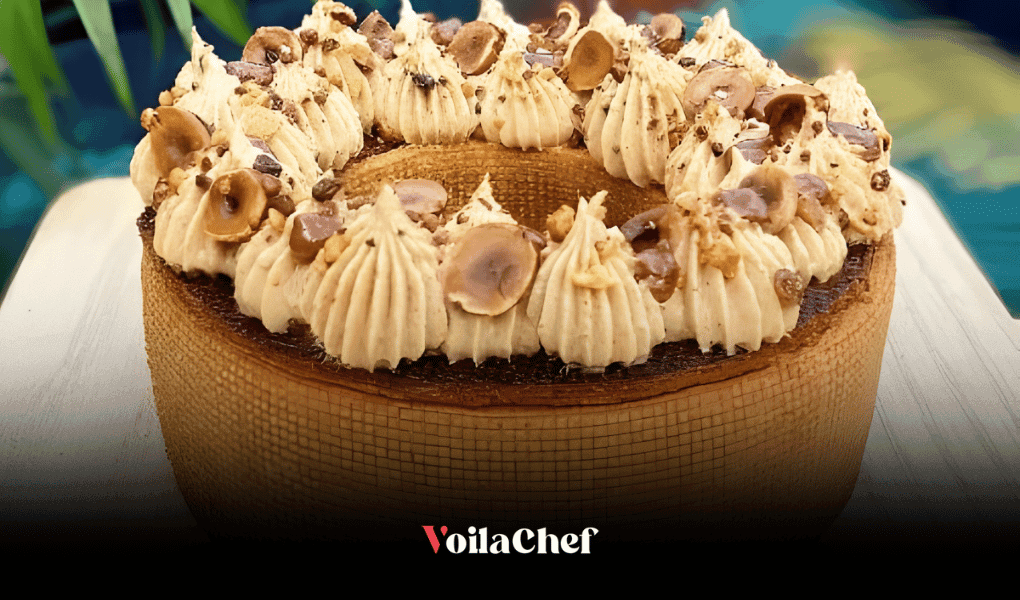
Sometimes you dream of a tart that smells of warm butter, with a base that’s crisp yet tender at the centre of a crust that bites like a golden biscuit. And one question often comes back: how do you make truly melt-in-the-mouth homemade shortcrust pastry?
Good news: this article will guide you step by step, with calm and clarity, as if we were working side by side on the same countertop.
Picture the flour slipping through your fingers, the sandy texture, the butter softening slightly under your palm, that gentle milky aroma promising a fragrant oven. A dough that comes together into a smooth, supple ball, ready to become a lemon tart, a fruit tart, or buttery shortbread biscuits.
One key detail: successful shortcrust pastry depends mainly on the temperature of the butter and how it binds with the flour, a simple but essential gesture that directly shapes the final texture.
In this article, we’ll cover:
- the role of each ingredient and how to choose them
- the traditional fingertip “sablage” method
- how to roll out and bake without cracking
- how to fix sticky, dry, or crumbly dough
Take a breath, lightly flour your hands… and dive into butter and flour it starts now.

1. Understanding shortcrust pastry: a story of texture and ingredients
Shortcrust pastry is more than just three ingredients. It’s a delicate balance almost sensitive to the mood of your hands. Flour provides structure, butter brings that crumbly bite, sugar adds tenderness, and the egg gives the moisture needed to bind everything gently. At first, the mixture looks powdery, like fine sand. A few slow movements, gentle fingertip presses, and the dough begins to clump into soft, melt-in-the-mouth grains.
As you rub the flour and butter together, the texture transforms. The flour lightens the butter; the butter softens the flour. Under your fingers, you feel something crumbly, almost airy. This is what’s called sablage, the foundational gesture of shortcrust pastry. Too much kneading makes it tough; just enough mixing makes it melt on the palate.
Sugar is chosen deliberately. Icing sugar creates a smoother, finer texture, while granulated sugar gives a slightly crunchier bite. Then comes the egg, like a gentle drizzle that brings everything together. The dough moistens slightly, becomes supple and workable, almost satin-smooth. Under your palm, you can feel it holding together.
To go further in mastering butter, sugar, and texture, an online pastry course can really help refine touch and technique but for now, let’s keep going together, calmly.
To know:
- flour + butter = crumbly base
- icing sugar → finer texture
- egg = binding and suppleness
2. The traditional sablage method: a sensory experience
A mixing bowl, a work surface, a light dusting of flour like soft snow. Cold butter, cut into small, tender cubes, goes in first. Then you begin to coat and rub it gently. Fingers move softly, never forcefully almost like warming your hands. The butter breaks down, spreading into fine particles. You can see the sandy mixture forming, slipping easily between your fingers.
Once the flour and butter are fully sabled, add the sugar, then the egg. The change is immediate. The dough becomes supple, a little sticky at first, then gathers itself. You draw it toward you, push it lightly just enough. It forms a smooth, even ball, carrying that subtle buttery aroma that already makes you want to taste it.
There’s no need to work it for long. On the contrary: the less you handle it, the more tender it will be. Flatten it slightly to help it rest, wrap it, and let it relax in the fridge. This pause matters: the butter firms up, the dough settles, and the final texture becomes more delicate.
Next comes rolling. Lightly flour the surface, the dough, and the rolling pin. Roll gently from the centre outward, without forcing. Sometimes you hear a faint flour-on-pin whisper a sign the thickness is even.
Quick tips:
- cold butter for proper sablage
- handle the dough as little as possible
- rest 1 hour in the fridge for best tenderness
3. Rolling, lining, pre-baking: where everything comes together
Taking the dough out of the fridge is like waking a sleeper. It’s firm, slightly stiff, but after a few minutes it softens again. Tap it gently with the rolling pin almost like a musician warming up to relax it before rolling. Then roll slowly, letting the dough breathe between passes.
As it slides under the pin and begins to stretch, you can feel it come alive. The surface turns smooth and even. Lay the dough into the tin, letting it fall naturally never pulling it. Press gently with your fingertips, as if saying, “stay here, softly.” Trim the excess cleanly with a sharp knife; the edge becomes neat and precise.
To prevent puffing, prick the base or better yet, line it with baking paper and baking weights. Into the oven it goes. The aroma slowly fills the kitchen: melting butter, toasted notes, sugar lightly caramelising. It’s always a pleasure.
Classic quantities table:
| Ingredient | Amount |
|---|---|
| Flour | 250 g |
| Butter | 125 g |
| Icing sugar | 80 g |
| Egg | 1 |
| Salt | 1 pinch |
4. Common issues and how to fix them gently
Dough too sticky? The butter may have been too soft. Add a light dusting of flour. You’ll immediately feel the dough become less damp, easier to handle. Bring it together gently.
Dry, crumbly dough? Add a drop or two of water or egg yolk, little by little. The feel changes, the grain tightens, and the dough comes back together. This tiny adjustment often saves the day.
Dough shrinking during baking? That usually means the gluten was overworked. The solution: a longer rest in the fridge. And for delicate tarts, blind baking helps hold the shape.
A gentle reminder: patience and softness are the two great secrets. Shortcrust pastry is made like turning the pages of an old book—slowly, attentively. Your hand guides the ingredient, but it’s the texture that speaks.
Helpful cues:
- sticky → add a little flour
- dry → add a few drops of liquid
- shrinking → longer rest
Conclusion
You’re now ready to create shortcrust pastry that’s tender, fragrant, and beautifully golden in the oven. A few simple gestures, a bit of patience, and plenty of pleasure in your hands. And if you feel like deepening your technique one day, an online pastry course can be a lovely, gentle next step.