Blog / 22 December 2025
How to make mousseline cream?
Learn how to make a smooth, fragrant and light mousseline cream with gentle, easy-to-follow steps.
Sandra Zwingelstein
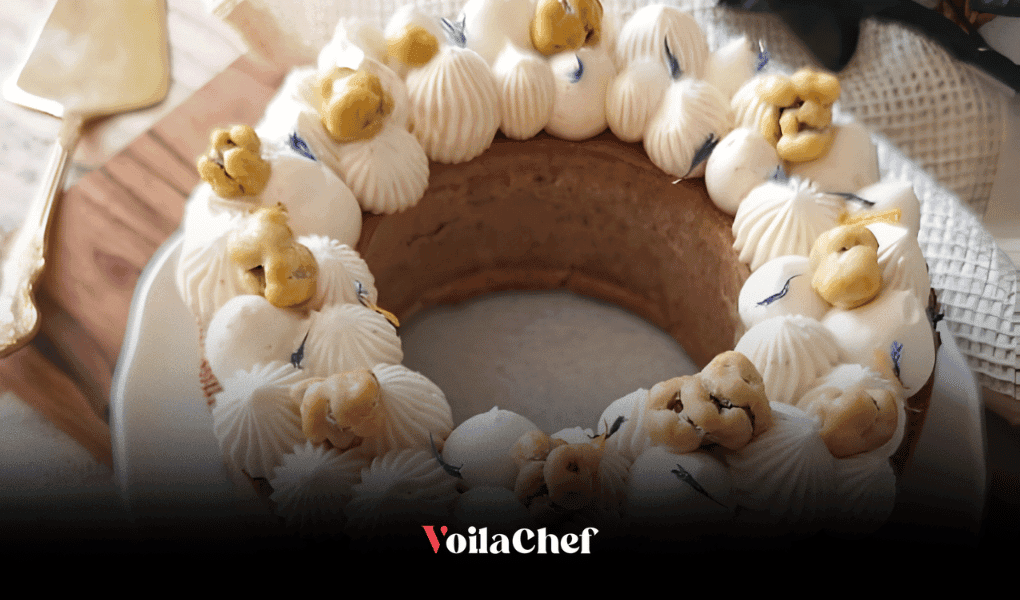
Looking for a calm, reassuring way to learn how to make mousseline cream pastry cream enriched with butter, with a silky, velvety texture that’s perfect for fraisier cakes, choux pastries and homemade entremets?
Good news: this article will guide you step by step, without pressure, showing you the simple moves to achieve a rich, stable, delicately flavoured mousseline.
Picture a pale, smooth cream, with that comforting scent of warm custard and gentle vanilla the spoon gliding through a supple texture that’s almost mousse-like. On the tongue, it melts, coats, and soothes.
One quick note: mousseline cream is built on a base of pastry cream whipped with butter. It’s a delicate balance mastering temperature changes everything.
In this article, you’ll discover:
- how to prepare the pastry cream base
- how to incorporate butter at the right temperature
- how to achieve a light, stable texture
- how to fix common issues
Take a moment: you’ll see that making mousseline cream is like assembling a little edible masterpiece. It only asks for a bit of gentleness, a bit of patience… and it pays you back tenfold.

1. Understanding mousseline cream: where pastry cream meets butter
Mousseline cream wins people over with its rich, silky feel like a luxurious vanilla mousse. First, you make a classic pastry cream: still warm, golden (almost honey-toned), it thickens under the spatula and leaves a creamy trail in the saucepan. This base is the heart of your future mousseline.
What makes mousseline so special is the butter. It first melts into the still-lukewarm cream, bringing a satiny, velvety sensation. But butter also has a second role: it creates the final lightness once you whip the mixture and incorporate air. The result? A fine, airy cream that holds beautifully on a cake.
The detail that changes everything is heat. The pastry cream must be cool but not icy. The butter must be soft but not melted. When those temperatures align, the texture becomes magically smooth. If the butter is too cold, it “seizes” and you’ll see small grainy bits. If the cream is too warm, it melts the butter completely and your final volume collapses.
This is the point that often feels intimidating. But don’t worry: if you move gently and pay attention to what you feel, the cream will naturally show you the perfect moment. Your eyes, your bowl, your whisk everything will guide you.
Key takeaways:
- butter/cream temperature = essential
- texture = airy, never dense
- base = pastry cream + butter
2. Making pastry cream: the foundation of mousseline
As pastry cream simmers softly, it releases that warm, slightly vanilla scent comforting and enveloping. It thickens gradually, offering a pleasant resistance under the spoon. In that moment, you can feel how much each gesture matters: the cream turns smooth, glossy, and creamy.
Once it’s done, it rests. It cools. To the touch, a slightly rubbery film can form on the surface this is normal. Cling film pressed directly onto the surface prevents a skin from forming. Underneath, the texture stays supple, ready to be whisked smooth again.
From there, you incorporate a first portion of butter soft, almost “pommade”-like. Under the whisk, the cream becomes glossier and more elastic. It transforms little by little, while keeping its structural strength sign of a good egg-to-starch balance.
A comparison table helps you recognise the differences between a successful pastry cream and one with issues:
| Texture | Signs of success | Signs of error |
|---|---|---|
| Warm and smooth | stable ribbon | lumps |
| Cool and supple | even colour | separation |
| Whisked then lifted | silky | too runny |
This base is crucial: pastry cream that’s too loose makes a soft mousseline that slides on the cake. Too thick, and you’ll get a heavy, almost pasty mousseline.
If these steps inspire you, feel free to deepen your skills with an online pastry course—especially helpful to master textures and understand how eggs behave.
Helpful tips:
- cover with cling film on the surface to prevent a skin
- whisk before adding butter
- cool gently to stabilise the texture
3. Whipping the butter to create the mousseline effect
This is the most magical step: when pastry cream meets whipped butter. Under the whisk, the butter turns creamy and lightens slightly, releasing a milky, almost sweet aroma. You watch it become a fine, supple mass that glides under a spatula.
When you add the pastry cream in a thin stream, the texture shifts: at first it can look a bit thick and unstable, then little by little it becomes supple and airy. The incorporated air creates that signature mousse-like feel.
The colour changes too: from a deep yellow at the start, it moves towards a lighter ivory tone. The surface takes on a gentle shine proof the butter has integrated properly. When you run a spatula through it, the cream forms a thin, elegant ribbon that folds back on itself softly.
If your cream curdles, don’t panic: it usually comes from a temperature mismatch. A short chill or a brief warming of the bowl can save it. The key is to stay attentive textures speak.
Another important point: don’t whip too fast. Mousseline likes delicacy. It rises more slowly than whipped cream and needs a gentle pace to keep its silky structure.
Finally, remember: a good mousseline holds perfectly between cake layers, slices cleanly, and still melts in the mouth with ease.
In brief:
- lightened butter = silky texture
- gradual incorporation = stability
- temperature control = guaranteed success
4. Fixing common mousseline cream issues
Even the best preparations can surprise you sometimes. But every problem has a gentle, accessible solution no stress. Take a breath: nothing is lost.
If the cream curdles, it’s often because the butter and pastry cream weren’t at the same temperature. When cold hits, butter can firm up into tiny beads. A brief moment over a bain-marie will soften the mixture you’ll see the grains disappear and the surface turn smooth again, almost satin-like.
If the cream is too runny, the pastry base likely wasn’t thick enough. In that case, simply chill it to regain a firmer consistency. Cold firms up the butter and the cream becomes stable again.
If the cream feels too heavy, it may be due to too much butter. You can adjust by whisking a little longer: incorporating more air lightens the mouthfeel. Sometimes you’ll even see a visual change the cream becomes paler and more mousse-like.
Another common issue: grainy cream. This often comes from whisking too fast. Lower the speed, and the particles can recombine, bringing back that supple texture.
Quick fixes:
- curdled = warm slightly
- runny = chill
- heavy = whisk gently
Conclusion
You now have all the essentials to make mousseline cream that’s smooth, airy, and stable ready to elevate your desserts. Let the textures guide you, listen to what the cream is telling you, and you’ll improve with every batch. If you’d like to keep building your pastry skills, a small detour via an online pastry course can help you go even further gently, at your own pace. One step at a time… and your mousseline will become a real pleasure to make.