Blog / 18 December 2025
How to make an entremets?
Discover how to make a homemade entremets step by step with sensory cues, mastered textures, and an accessible method.
Sandra Zwingelstein
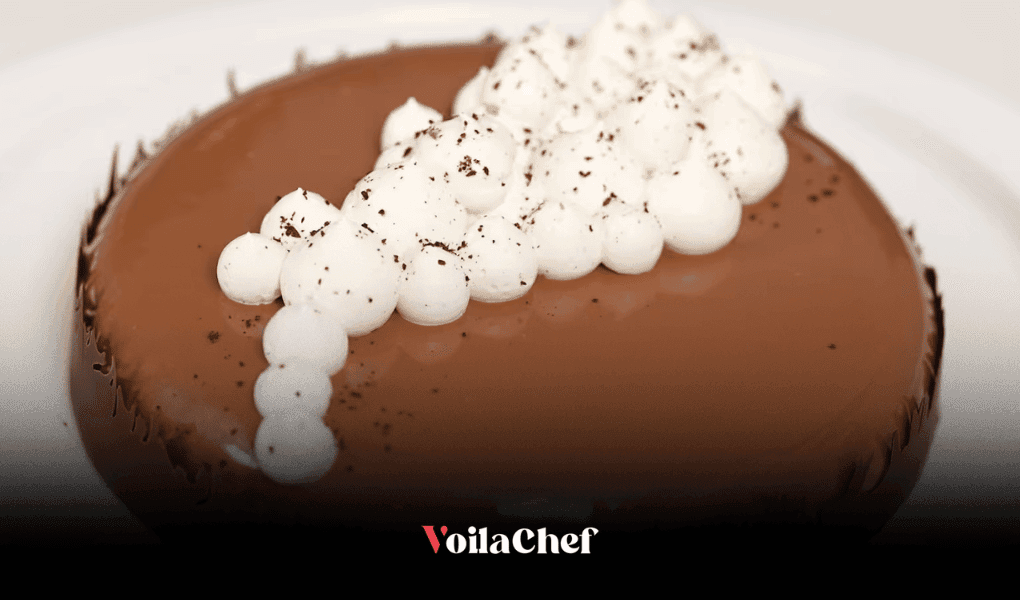
Making an entremets can feel intimidating at first those elegant desserts with straight sides, clean layers, and flawless finishes.
Good news: this guide walks you through the process step by step calmly and clearly like a patient chef by your side, showing each motion without stress.
Picture a perfectly unmolded entremets, smooth on the surface, with clearly defined layers at the cut. Under the spoon, textures respond to each other: airy mousse, soft biscuit, and a little crunch that pleasantly surprises the palate.
A useful principle to keep in mind: an entremets is built on a play of textures and temperatures more than on a complicated recipe. Good organization is half the work.
In this article, you’ll discover:
- What An Entremets Really Is And How It’s Built
- The Different Layers And Their Roles
- The Logical Assembly Order For A Stable Result
- Tips For A Clean, Stress-Free Unmolding
Take a moment to settle in and breathe; you’ll see that making an entremets is above all a pleasant, sensory, and very rewarding experience.

1. Understand what an entremets is and how it’s structured
An entremets isn’t just a fancy cake. It’s a thoughtful construction where each layer serves a purpose. When you slice an entremets, you should feel harmony between textures none overpowering the others.
Traditionally, an entremets includes at least three components: a biscuit base, an insert (often fruity or creamy), and a mousse. From the first bite, you sense the contrast of soft, melting, and sometimes crunchy creating that delightful mouthfeel.
- The base provides support often lightly soaked, never dry and acts as the foundation.
- The insert, centered within, offers a flavor pop that awakens the palate.
- The mousse wraps everything with an airy, cloud-like texture that melts on the tongue.
Important: entremets assembly is usually inverted. Start with mousse, then insert, then biscuit, before chilling. This yields a perfectly smooth surface after unmolding.
To remember:
- An Entremets Is A Deliberate Layered Build
- Each Layer Has A Specific Role
- Assembly Is Almost Always Inverted
2. Choose and prepare the entremets layers
Success begins before assembly with smart choices. Consider flavors and textures you want at tasting.
- Base: Choose a light biscuit such as génoise, biscuit joconde, or dacquoise. Their supple, airy crumb cuts cleanly without compressing the cake. Pressed gently, it should spring back sign of a well-made base.
- Insert: Brings aromatic intensity think cremeux, compote, or gelée. You’ll notice a denser, sometimes lightly set texture that stays centered during assembly and adds a welcome contrast.
- Mousse: The enveloping element light and airy yet stable at the cut. When folding in whipped cream, keep movements delicate; the mixture turns more supple and silky.
Prepare each element separately and let them cool. Cold is your ally: it sets textures and makes assembly easier and cleaner.
Helpful tips:
- Prioritize Complementary Textures
- Let Each Component Cool
- Plan For Proper Chill/Set Times
3. Assemble the entremets: motions, order, and feel
Assembly is the most impressive and most satisfying moment. With components ready, the process becomes a precision game.
- Line the mold with mousse. Spread gently to avoid air bubbles; the contact feels smooth and velvety.
- Add the insert. Place it carefully in the center; it sinks slightly, creating a neat visual contrast easier if properly chilled.
- Cover with mousse, then add the biscuit. Press lightly so mousse rises along the sides, ensuring a flat base after unmolding.
- Chill or freeze (per recipe). The cold sets and bonds layers, preparing for an easy unmold.
Quick tips:
- Smooth Each Layer Carefully
- Center The Insert Delicately
- Respect The Full Chill/Freeze Time
4. Unmolding, finishing, and serving the entremets
Unmolding can feel suspenseful but with proper chilling it’s surprisingly simple. Remove the mold to reveal a clean, smooth, professional surface.
Using a ring? A brief pass with a warm cloth loosens the edges; the mousse responds instantly, releasing cleanly.
Keep finishes simple: a mirror glaze, velvet spray, or just fresh fruit can elevate the whole. Focus on visual and taste balance, no need to overdo it.
At the cut, the layers appear distinct. The knife slides effortlessly, revealing the inner architecture. On the palate, each layer plays its part: melting, soft, fresh, sometimes crunchy the harmony that defines a great entremets.
In short:
- Cold Makes Unmolding Easier
- Simple Finishes Often Suffice
- Balance Matters More Than Complexity
Conclusion
Making an entremets is about understanding textures and enjoying each step. With patience and good organization, this dessert becomes accessible and deeply satisfying. To go further and build confidence, an online pastry class can gently support your next creations.