Blog / 6 January 2026
How to make chocolate in moulds?
Learn how to make chocolate in moulds step by step, with simple gestures for shiny, clean, irresistible chocolates.
Sandra Zwingelstein
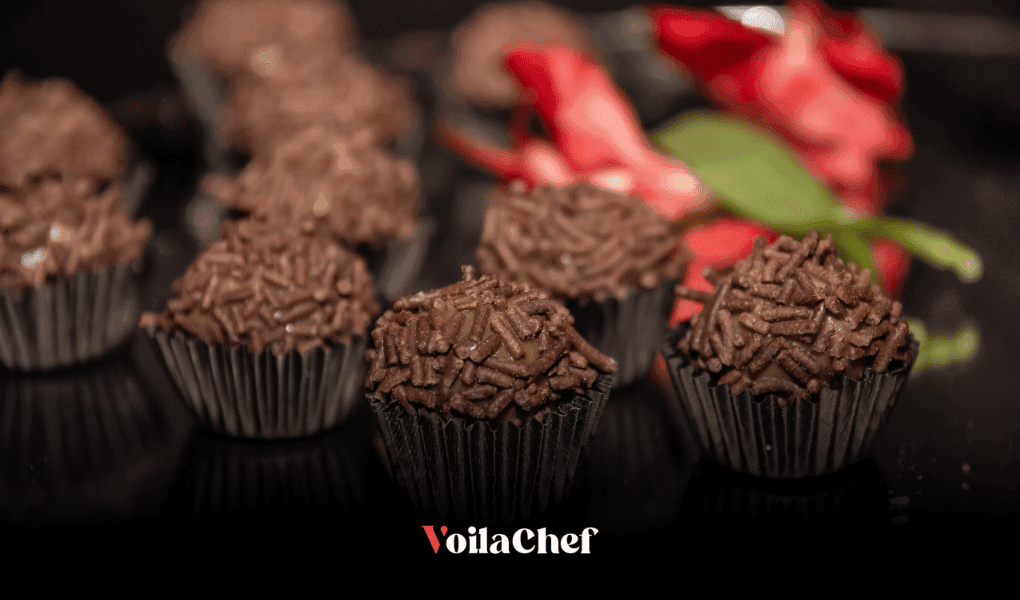
Have you ever had that very specific urge to pour chocolate into a mould, watch it shine and slowly set… then unmould it with that satisfying little click?
Good news: making chocolate in moulds is absolutely achievable at home provided you understand the right gestures and respect a few essential details.
Picture melted chocolate, still warm, slowly flowing into the mould cavities, smooth like a satin ribbon. The aroma is deep and comforting, intense and enveloping. As it cools, the surface turns glossy and clean, ready to release perfectly.
A gentle knowledge bomb: shine and easy unmoulding don’t happen by chance they come from a precise balance of temperature, movement, and resting time.
In this article, you’ll discover:
- how to choose and prepare your moulds
- how to melt and work chocolate correctly
- the right gestures to fill without bubbles or marks
- how to cool and unmould without stress
Take a breath, clear your workspace, and let yourself be guided you’ll see that chocolate quickly becomes cooperative when treated with care.

1. Choosing and preparing moulds for a clean result
Before you even touch the chocolate, everything starts with the mould. Its material, cleanliness, and even its temperature directly affect the final result. A well-prepared mould already delivers half the success.
Polycarbonate moulds offer exceptional shine. Their perfectly smooth surface allows the chocolate to contract as it cools, making unmoulding easier. Silicone moulds, which are more flexible, are more forgiving but often produce a slightly less glossy finish. Both work well just with different expectations.
Before using them, take a moment to inspect the surface. The smallest residue or fingerprint can be transferred onto the chocolate. A soft, dry cloth is usually enough to achieve a perfectly clean surface. It’s a subtle gesture but it changes everything.
Mould temperature also matters. A mould that’s too cold can cause thermal shock; one that’s too warm prevents proper setting. Ideally, your mould should be at room temperature pleasant to the touch, neither cool nor warm.
Finally, place your moulds on a stable, flat surface. This makes filling easier, limits spills, and allows the chocolate to settle evenly into each cavity.
Good to know:
- a clean mould = shiny chocolate
- room temperature is ideal
- stability prevents bubbles and defects
2. Melting and preparing chocolate gently
Melting is often the moment where everything is decided. Chocolate is a living material, sensitive to heat and rhythm. Rush it, and it can turn dull or grainy; treat it gently, and it becomes fluid and silky.
Start by chopping the chocolate into even pieces. This ensures uniform melting and avoids overheating certain spots. As you place it in the bowl, you may already notice that dry, slightly woody aroma that hints at what’s to come.
A bain-marie is the safest method. Heat rises slowly, the chocolate softens, then becomes glossy, smooth almost mirror-like. Stir gently, without whisking, using calm circular motions. This limits air incorporation and preserves shine.
At this stage, temperature is key. Chocolate that’s too hot becomes unstable; too cool, and it thickens. You’re aiming for a flowing texture that coats the spatula without running too fast. This balance is easy to recognise through sight and gesture.
To go further and truly understand these balances, online pastry courses can help you “read” chocolate, anticipate its reactions, and gain confidence.
Quick tips:
- melt slowly, without rushing
- stir gently to keep the shine
- aim for a fluid but controlled texture
3. Filling moulds precisely, without bubbles
Once the chocolate is ready, the most satisfying moment arrives: filling the moulds. This is where the gesture becomes almost intuitive and deeply sensory yet still precise.
Pour the chocolate calmly into the centre of each cavity. You’ll see it spread naturally, hugging the shape and filling the corners. When properly worked, chocolate flows effortlessly, without resistance.
Next, gently tap the mould on your work surface. This simple movement allows air bubbles to rise. You might hear a soft, dull sound and see tiny bubbles pop on the surface a very reassuring sign.
If you’re making shells for filled chocolates, invert the mould to let excess chocolate drain away. What remains is an even, thin but solid layer. Scraping the edges with a spatula creates clean, sharp lines almost professional.
Take a moment to observe the surface. It should be smooth, without streaks or ripples. If needed, a final gentle tap will even everything out. These micro-adjustments make all the difference when tasting.
Key points:
- pour in the centre for even distribution
- tap to release air
- clean the edges for a sharp finish
4. Cooling, unmoulding, and guaranteed success
Cooling is often underestimated, yet it’s essential for shiny, easy-to-release chocolate. Here, patience is your greatest ally.
Place the moulds in a cool, dry area. The refrigerator is possible, but only briefly. You’ll see the chocolate’s colour shift slightly, becoming more matte, then contracting just a bit. That’s a good sign it’s pulling away from the mould.
Avoid sudden temperature changes. Strong thermal shock can dull the surface or cause condensation. Chocolate prefers gentle, almost invisible transitions.
To unmould, flip the mould over and apply light pressure. If everything went well, the chocolates will fall out almost on their own, with that crisp, satisfying sound. The surface is shiny, the edges sharp, and the feel in hand is perfect.
If one piece resists, don’t force it. Let it rest a few more minutes. Very often, it releases naturally as it cools further.
In short:
- cool without rushing
- watch for chocolate contraction
- unmould gently, never force
Conclusion
Making chocolate in moulds is, above all, about gentleness, observation, and precise gestures. Take your time, trust your senses, and each batch will be more beautiful than the last. And if you feel like going further, deepening these techniques through online pastry courses can turn this practice into a truly creative pleasure.