Blog / 16 December 2025
How to make a chocolate ganache?
Discover how to make a perfectly smooth, melt-in-the-mouth chocolate ganache with simple steps, mastered textures, and chef tips.
Sandra Zwingelstein
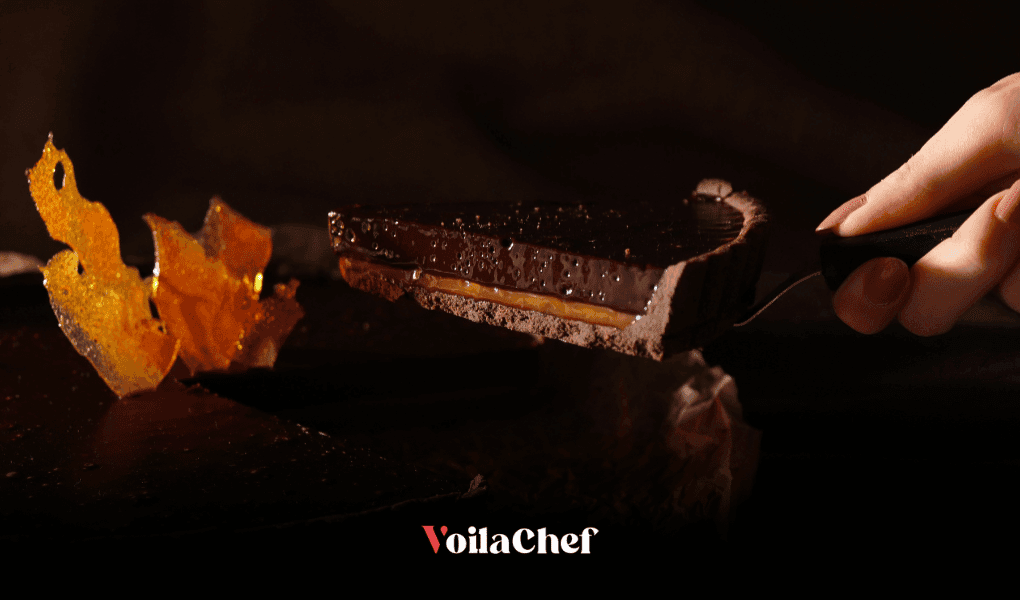
You may have felt that little doubt in front of a bowl of melted chocolate, wondering how to achieve the silky, smooth chocolate ganache you admire in pastry-shop windows.
Good news: ganache isn’t reserved for pros. With the right cues and gentle movements, this guide walks you through calmly, step by step like having a pastry artisan at your side.
Imagine a velvety texture, deep chocolate, cream melting in slowly to create a glossy, almost satiny mass. On the spoon, the ganache stretches softly, promising a melting, comforting mouthfeel.
A simple knowledge bomb: a successful chocolate ganache depends on a precise balance of fat, liquid, and temperature far more than on a complicated recipe.
In this article, you’ll discover:
- What Ganache Really Is And How It Works
- The Classic Method For Perfect Chocolate Ganache
- How To Tune Texture For Filling, Glazing, Or Layering
- Chef Fixes For A Temperamental Ganache
Take a breath, let the chocolate melt gently: you’ll see, making ganache quickly becomes a simple, almost soothing gesture.

1. Understand what ganache is—and why it works so well
Before it’s a recipe, ganache is an emulsion a harmonious union of two elements that don’t naturally mix: chocolate and cream. At the right temperature, they form a stable, smooth, deeply indulgent texture.
Pour hot cream over finely chopped chocolate and you’ll first see a dull, hesitant surface. Stir gently and the magic happens: the chocolate relaxes, fat disperses, and the ganache turns homogeneous and glossy. It’s a satisfying moment—the texture builds under your spatula.
Temperature is key. Over-hot cream can scorch chocolate and make it grainy; too cool and it won’t fully melt. Aim for steaming, not boiling cream. This detail is everything and explains why some ganaches feel “unfixable”… when better heat control is all they need.
Chocolate ganache underpins many preparations: cake filling, entremets smoothing, macaron filling, even whipped ganache. Understand the mechanism and you can adapt it freely.
To remember:
- Ganache Is A Chocolate–Cream Emulsion
- Temperature Plays A Central Role
- A Solid Base Unlocks Every Variation
2. The classic method: a smooth, glossy chocolate ganache
The classic approach is the most reliable and repeatable. Start with good chocolate, finely chopped to promote even melting this alone sets you up for a smoother finish.
Gently heat the cream. As it warms, a soft, milky aroma appears. At the first simmer, pour over the chocolate. Don’t stir immediately wait 1 minute so the chocolate relaxes and begins melting without shock.
Then stir from center to edges. The mass thickens, then turns silky. The spatula glides, the surface shines, and the texture unifies. Keep motions slow and steady too fast introduces air; too rough can break the emulsion.
For extra satin, add a small knob of butter at the end. It melts instantly, adding roundness and a lovely sheen—great for finishing.
Use the ganache warm to glaze, or let it cool for a firmer texture suited to filling or smoothing. Each minute of rest subtly changes consistency, letting you match the use case.
Helpful tips:
- Chop Chocolate Finely
- Don’t Stir Too Fast
- Adjust Texture With Rest Time
3. Adapt ganache to the job: fill, glaze, whip
There’s no single “ideal” texture usage dictates it.
- For Filling: Aim for supple but stable able to hold between layers without squeezing out.
- For Glazing: Prefer more fluid ganache that flows slowly and sets into an even coat.
- For Whipped Ganache: Start with classic chocolate ganache, chill several hours until thick and pomade-like, then whip gently until light and airy while keeping flavor intense.
As ganache cools, it naturally firms from pourable to creamy to dense. Watching this evolution tells you when to use it. Too warm = runs; too cold = hard to spread.
For whipped ganache, patience is key. Whip gently: whipping too fast warms the mass and destabilizes it; whipping too long can turn it butter-like. Observation wins.
Good to know:
- The Colder The Ganache, The Firmer It Gets
- Each Use Needs A Different Texture
- Whipped Ganache Must Be Whipped Gently
4. Fixing a failed ganache & avoiding common errors
Even with experience, ganache can act up. Too runny, too thick, grainy nothing’s lost.
- Too Runny: Lacks structure. Add a little melted chocolate; it thickens quickly and turns creamier.
- Too Thick: Loosen with a trickle of hot cream, added gradually until fluid and pleasant.
- Grainy/Broken Emulsion: Usually heat shock or poor mixing. Warm very gently over a bain-marie and stir slowly to re-emulsify; fats redistribute and smoothness returns.
- Over-mixing/Airiness: Incorporating too much air makes ganache less stable and dull. Favor slow, regular movements to keep it glossy and silky.
With time these adjustments become instinctive you’ll feel under the spatula when ganache needs a touch more warmth or a small ingredient tweak.
Quick tips:
- Too Runny → Add Chocolate
- Too Thick → Add Hot Cream
- Grainy → Gently Rewarm And Stir
Conclusion
You now have the essentials for a smooth, melting, perfectly tuned chocolate ganache. Take time to observe textures, feel changes under the spatula, and trust yourself. To go further and refine your touch, an online pastry course can deepen your practice at your own pace.