Blog / 16 January 2026
Authentic frangipane cream recipe
Discover the authentic frangipane cream recipe smooth, fragrant, and perfectly balanced with precise gestures and chef tips for flawless results.
Sandra Zwingelstein
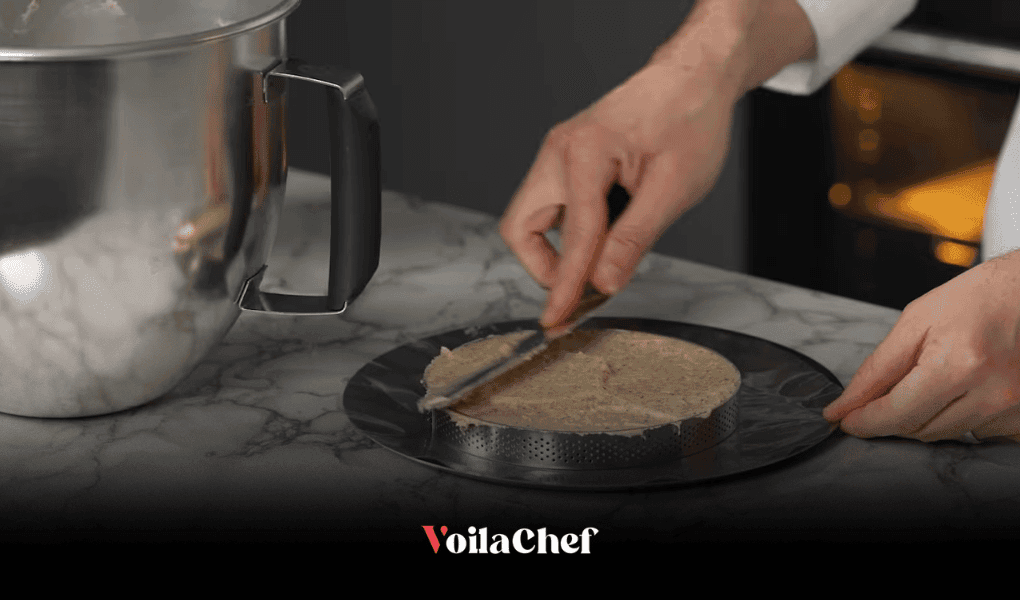
Are you looking for that true frangipane cream the one that melts gently under the fork, with a rounded, delicate almond flavour that’s never cloying?
Good news: this recipe will guide you step by step, with simple, precise, reassuring gestures like a pastry chef quietly whispering each move in your ear.
Picture a supple, silky cream, pale yellow in colour, that spreads effortlessly and releases a warm, buttery almond aroma. As it bakes, it gently rises, lightly browns, and becomes melt-in-the-mouth at the centre, with an almost velvety texture.
A useful piece of knowledge: real frangipane is not just almond cream. It’s the precise balance of almond cream and pastry cream a classic pairing in French pastry.
In this article, you’ll discover:
- the exact foundations of traditional frangipane
- detailed preparation of each cream
- proper assembly, done by the book
- tips for a stable, fragrant texture
Take a moment, gather your ingredients, and let yourself be carried along: frangipane asks for gentleness but gives back tenfold.

1. Understanding what frangipane really is
Authentic frangipane cream is often confused with simple almond cream. Yet its richness and melt-in-the-mouth texture come from a precise balance between two distinct preparations. This combination creates a lighter, airier cream while preserving deep, satisfying flavour.
The base starts with almond cream made from butter, sugar, eggs, and ground almonds. At this stage, the texture is already creamy and supple, with a soft, comforting aroma. But on its own, it remains dense. Adding pastry cream softens the mixture, brings subtle moisture, and ensures perfect hold during baking.
When you look at a successful frangipane, you’ll notice its ivory colour with a light golden hue, its smooth consistency with no visible grain. To the touch, the spatula glides easily, leaving trails that slowly close. These visual and tactile cues reveal a well-balanced texture.
Flavour should remain refined, never aggressive. Almond must be present but rounded by the softness of pastry cream. Too much almond flour feels dry; too little makes the cream bland. It’s all about precision.
To better grasp these balances and progress with confidence, an online pastry course can help deepen these essential foundations often overlooked, yet decisive.
To remember:
- frangipane = almond cream + pastry cream
- supple texture with balanced aroma
- almond flavour present but delicate
2. Making a smooth, fragrant almond cream
Almond cream is the aromatic heart of frangipane. Preparation always begins with butter that’s very soft—almost pomade-like. As you work it, it becomes smooth and lightly glossy, releasing a gentle, milky aroma.
When the sugar is incorporated, the mixture lightens and turns creamier. The movement is slow and enveloping, never rushed. This step ensures a uniform texture that can receive the eggs without splitting.
Add the eggs gradually. With each addition, the mixture softens and becomes silky, almost fluid, while still retaining structure. Ground almonds come last, bringing that fine, velvety feel and the unmistakable scent of fresh almonds.
The final mixture should be smooth, with no pockets of dry almond. When you lift the spatula, the cream falls slowly, forming a thick yet fluid ribbon. This detail is essential for a frangipane that bakes evenly and melts beautifully.
At this stage, some add a hint of rum or vanilla. It’s optional, but it can gently warm the aroma without masking the almond. The flavour becomes deeper, more enveloping.
Helpful tips:
- very soft butter for a smooth texture
- add eggs gradually
- finely ground almonds to avoid graininess
3. Making a light, well-set pastry cream
Pastry cream brings suppleness and softness to frangipane. It must be set enough to hold, but never too thick. As the milk heats, a warm, lightly vanilla aroma spreads—signalling the right moment to continue.
The egg yolks and sugar quickly become pale and creamy, almost mousse-like under the whisk. Adding the starch creates a smoother, satin-like feel before the hot milk is incorporated. The motion is gentle and gradual, avoiding any rush.
Over the heat, the cream thickens slowly. You feel a soft resistance under the whisk; the texture turns glossy and coating, with a gentle simmer. Removing it at this exact moment prevents overcooking.
A successful pastry cream is smooth, lump-free, with a glossy surface. As it cools, it retains pleasant structure without setting too firmly—perfect for blending into almond cream without heaviness.
Let it cool completely before assembly. At this point, it’s stable and ready to be folded in gently, without thermal shock.
Good to know:
- pastry cream should be supple yet set
- gentle cooking prevents lumps
- complete cooling before mixing
4. Assembling true frangipane and perfecting the final texture
Assembly is where everything comes together. Start by loosening the almond cream, then incorporate the pastry cream in several additions. The mixture instantly becomes lighter and more supple, with a slightly paler colour.
Each gesture should remain slow and enveloping. The spatula glides through the cream, which turns silky and almost airy. The almond aroma softens and rounds out, revealing a warm, indulgent scent.
The finished frangipane should be smooth, with no visible separation. On the surface, it forms gentle waves that slowly settle. This texture ensures even baking—no dry spots and no overly runny centre.
Used in a galette or tart, frangipane rises gently in the oven, releasing an irresistible buttery almond aroma. When tasted, the spoon sinks in effortlessly, revealing a cream that’s melting, delicate, and perfectly balanced.
In brief:
- gentle assembly
- smooth, airy texture
- balanced aroma during baking
Conclusion
True frangipane cream is all about gentle gestures, precise textures, and well-balanced aromas. By taking your time, observing and feeling each step, you’ll achieve an authentic, elegant, melt-in-the-mouth result. And if you feel the desire to go further, deepening these foundations through an online pastry course is often the most rewarding extension of that pleasure.