Blog / 1 June 2025
Discover the Perfect Flour for Every Recipe: Your Guide to Wheat Flour
Wondering which flour to choose? Want to understand the different types of wheat flour and their best uses? This practical guide makes it easy!
Sandra Zwingelstein
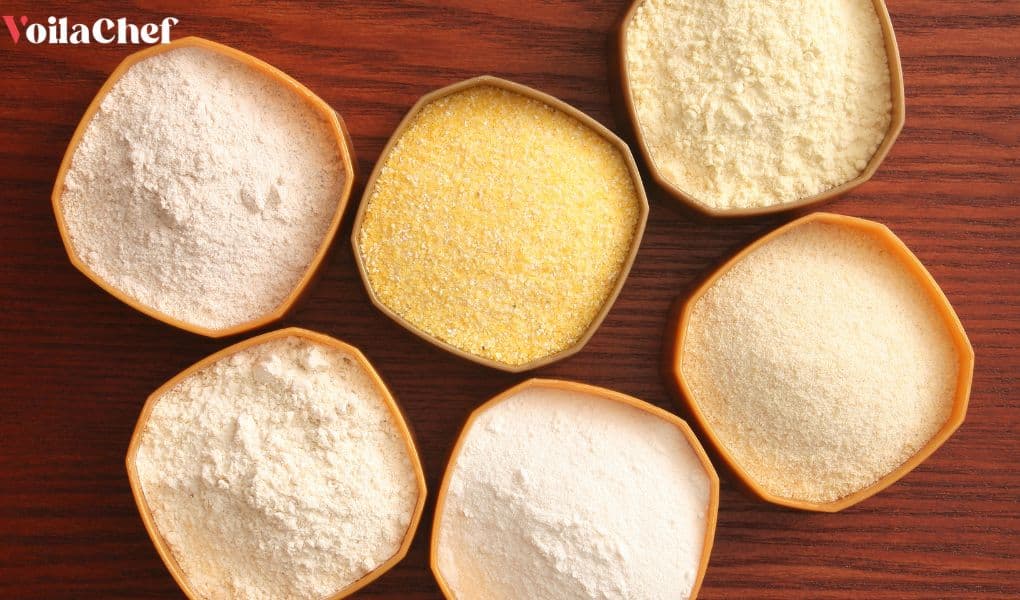
Not sure which flour to pick for crusty bread, light pastry, or a moist cake? T45, T55, T80… got you confused?This article clearly explains how to choose the right flour for your baking and cooking needs.
Soft wheat, hard wheat, white or wholemeal flours—understanding the differences is essential. The flour you use directly affects flavor, texture, and even the nutritional value of your creations. Whether you’re a baking enthusiast, a homemade bread lover, or just curious, this guide is essential.
Each "T" number refers to a specific use:
- T45: perfect for fine pastries and pizza dough
- T55: standard for breads
- T65: all-purpose
- T80: best for rustic breads
- T110: whole wheat
- T150: whole grain flour
In this article, you’ll discover:
- The major types of wheat flour
- What “T45, T55, T65…” really mean
- Ideal uses for each flour
- Practical tips for choosing the right one
Ready to master your flour game? Let’s dive in.

Understanding Wheat Flour Classification
Wheat is the most common grain used for flour. Depending on how it’s milled and sifted, different flours are produced.
The "T" Number System (T45, T55, T65…)
The “T” stands for the ash content left after burning the flour—basically a measure of mineral content.Lower numbers mean whiter, more refined flour (less bran). Higher numbers mean more whole grain content.Examples:
- T45: ultra-fine white flour – best for cakes and delicate pastries
- T55: standard white – for white breads, pizza dough, pie crusts
- T65: slightly more whole – gives more flavor and nutrition to breads
- T80: semi-whole, higher in fiber – great for rustic breads
- T110: wholemeal flour – nutrient-dense, ideal for healthy baking
- T150: whole grain flour – very high in fiber, for hearty, dense loaves
Types of Wheat Flours: White, Semi-Whole, Wholemeal, Whole Grain
- White flour (T45–T55): highly refined, great for cakes, pancakes, light pastries
- Semi-whole flour (T80): keeps part of the bran—more flavor, ideal for rustic loaves
- Wholemeal flour (T110): contains almost all of the grain—great for healthy recipes
- Whole grain flour (T150): includes bran, germ, and endosperm—nutrient-rich, dense bakes
Which Wheat Flour to Use (By Type)
T45
Very fine, nearly bran-free. Best for:
- Soft pastries (cakes, madeleines, sponge cakes)
- Viennoiseries (brioche, milk bread)
- Fresh pasta
- Crepes, choux pastry Light and airy, but low in fiber.
T55
Versatile and pantry-friendly. Ideal for:
- Pie crusts
- White bread, baguettes
- Pizza and focaccia
- Homemade pasta, quiches A go-to everyday flour.
T65
More whole than T55, richer in taste. Great for:
- Rustic breads
- Fluffy brioches
- Crispy pizzas
- Rich pasta and crusts Perfect balance between taste and ease of use.
T80
Also called semi-whole (bise), fiber-rich. Recommended for:
- Semi-whole rustic bread
- Nourishing brioches
- Flavorful pizzas, crepes, savory doughs Slightly darker crumb and denser texture.
T110
Wholemeal and nutrient-dense. Perfect for:
- Whole wheat bread
- Savory tarts
- Country-style loaves
- Rustic biscuits Strong flavor, rich in fiber.
T150
Whole grain flour—very hearty. Best for:
- Fiber-rich whole grain breads
- Dark, rustic loaves
- Healthy, slow-digesting recipes
- Savory bakes, dense biscuits Can be mixed with T65 or T80 for better balance.
How to Choose the Right Wheat Flour for Your Recipe
Ask yourself:
- Cakes, crepes, viennoiseries → T45 or T55
- Tarts, pizzas, fresh pasta → T55 or T65
- Homemade bread → T65 to T110
- Whole grain or rustic loaves → T110 or T150
What texture do you want?
- Lower T = light, fluffy
- Higher T = denser, more nutritious
What are your health or flavor goals?
- Light & refined → T45/T55
- More fiber & nutrients → T80–T150
- For balance: mix T65 with T110
Alternatives to Wheat Flour
If you're avoiding wheat, here are some great flour substitutes:
Gluten-Free Flours
- Corn flour: yellow, slightly sweet – tortillas, cornbread, cakes
- Rice flour: white, neutral – baking, sauces, crepes
- Chestnut flour: sweet & nutty – autumn desserts, breads
- Buckwheat (sarrasin): strong, earthy – crepes, savory cakes
- Legume flours (chickpea, lentil): protein-rich – falafels, savory bakes
- Coconut flour: fiber-rich, sweet – gluten-free cakes, needs extra liquid
Tip: blend with binders like eggs, guar gum, or xanthan gum for structure.
Heritage and Specialty Flours
These come from ancient grains or alternative wheat varieties—often more flavorful and nutritious.
- Spelt flour: digestible, protein-rich – rustic breads, pasta, cakes
- Einkorn (petit épeautre): low gluten, nutty – breads, cookies, tarts
- Kamut flour: ancient Egyptian grain, sweet taste – breads, pasta, cakes
- Rye flour: strong, fibrous – rye bread, gingerbread
- Oat flour: soft, sweet – pancakes, biscuits, high in good carbs
Often less elastic—best mixed with T65 for better results.
Pro Tips for Flour Usage
- Mix flours for better taste, texture, and nutrition
- Weigh accurately – many flours absorb lots of liquid
- Adjust liquids – especially with coconut or rice flour
- Use binders – essential for gluten-free flours
- Let dough rest – especially with heritage grains
- Start with simple recipes to understand flour behavior
- Store properly – cool, dry, sealed; whole flours spoil faster
Ready to Master Wheat Flours?
Now you know exactly how to choose the right flour for any baking challenge. From light cakes to rustic loaves, each flour has its role. With this knowledge, you’ll create tastier, healthier, and more professional bakes.
Want to take it further?
→ Train with France’s top pastry chefs through VoilaChef online masterclasses to perfect your baking skills, step by step.