Blog / 25 May 2025
Eggs in Pastry: A Must-Have Ingredient
Eggs are essential in baking. Discover the secrets of yolks, whites, and whole eggs: their chemical roles, pastry applications, and expert pro tips.
Sandra Zwingelstein
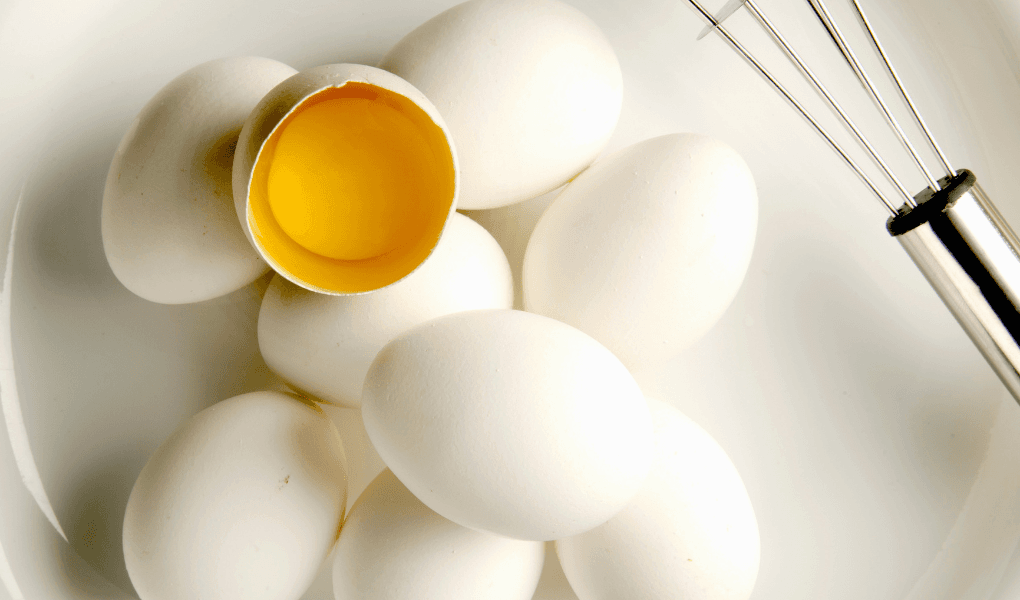
In pastry, some ingredients are absolutely essential—and eggs are one of the most important. Whether used whole or separated into yolks and whites, the egg is a true culinary multitasker.
It contributes to structure, texture, flavor, color, and plays a vital chemical role in the success of recipes. For anyone looking to improve their baking—especially at a professional level—understanding eggs is key.
In this guide, we’ll explore:
- The physical and chemical properties of eggs
- The specific functions of yolks and whites
- How eggs work in different types of pastry recipes
- Hygiene and storage best practices
- Pros and cons of using pasteurized egg products
The Chemistry of Eggs: A Functional Ingredient

Eggs are widely used in pastry primarily for their functional properties. Thanks to their high protein content, eggs help:
- Bind ingredients
- Add moisture and tenderness
- Improve volume and stability (especially when whipped)
- Create emulsions (yolks)
These properties vary depending on whether you use the yolk, the white, or the whole egg—knowing how each works is crucial for every pastry chef.
Egg Yolks: Rich, Emulsifying, and Flavorful
Egg yolks are valued for several reasons:
1. Powerful Emulsifier
The lecithin in egg yolks helps bind water and fat. This is key for creating smooth custards, stable mayonnaise, or butter-rich creams.
2. Natural Coloring Agent
Yolks give pastry creams, doughs, and glazes a warm golden hue—perfect for brushing over viennoiseries or tart shells.
3. Rich in Fat (~33%)
Yolks enhance flavor and provide tenderness and richness, especially in shortcrust pastry, brioche, or pastry cream.
Why blanch yolks with sugar? Blanching yolks with sugar helps:
- Incorporate air and create a light texture
- Prevent premature coagulation during heating
Important: Don’t leave sugar sitting on yolks too long without mixing—it can “cook” the yolks and cause unsightly lumps.
Egg Whites: Volume and Lightness
Perhaps the most technical part of the egg, whites require care and precision:
1. Exceptional Foaming Ability
Whipped egg whites trap air, creating a light and airy structure—ideal for meringues, soufflés, and sponge cakes.
2. Firm and Gelatinous Texture When Cooked
Once heated, whites coagulate and help firm up mixtures—great for génoise, dacquoise, and more.
3. Neutral Flavor
Unlike yolks, whites bring little flavor, making them perfect for delicate recipes like fruit mousses or citrus soufflés.
Whole Eggs: The All-in-One Solution
Depending on the recipe, you may need:
- Only whites for volume (soufflés, meringues)
- Only yolks for richness (custards, soft cakes)
- Whole eggs for structure and moisture (choux pastry, flan, génoise)
In choux pastry, for instance, whole eggs are essential. The water content hydrates the dough and generates steam, allowing the pastry to puff beautifully.
Practical Reference Points:
- Average egg weight: 56g
- Shell: 6g
- White: 32g
- Yolk: 18g
These numbers matter, especially when scaling recipes for professional kitchens.
Hygiene & Food Safety: What Every Pro Should Know
Eggs are perishable and can carry pathogens, especially on the shell. Follow these hygiene rules:
- ❌ Do not wash eggs (it makes shells porous)
- ❌ Never use cracked eggs
- Store raw yolks for no more than 24h
- Work in a clean kitchen with washed hands
- Crack eggs in a separate bowl
- Avoid contact between shells and work surfaces
For recipes with raw eggs (e.g., mousse, tiramisu), refrigerate at +4°C (39°F) and consume quickly.
Pasteurized Eggs: Time-Saver or Flavor-Loss?
Pasteurized egg products (yolks, whites, whole eggs) offer advantages in professional settings:
- Better hygiene
- Saves time—no cracking required
- Standardized volumes
But there are drawbacks:
- Less flavor than fresh eggs
- Often more expensive
- Must be stored cold with precision
Mastering Eggs: A Core Skill for Pastry Chefs
As you’ve seen, using eggs in baking is not just about cracking them into a bowl.
Eggs are a complex, powerful ingredient that deserve careful attention at every stage of your pastry process.
At VoilaChef, our expert chefs guide you through every egg-based technique—custards, doughs, cakes, flans, soufflés, meringues, and more.
→ Explore our pastry science classes and sharpen your skills with professional guidance from France’s top chefs.Ready to master eggs like a pro? Join VoilaChef today.